Intake Manifold Assembly
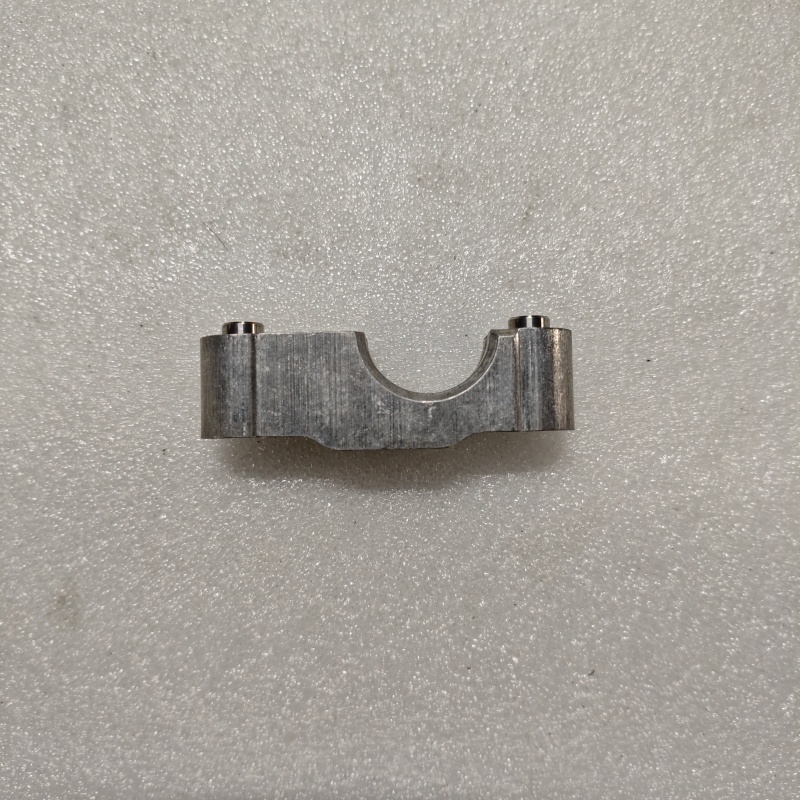
The Intake Manifold Assembly is a critical engine component responsible for the precise and efficient delivery of the air-fuel mixture to the combustion chambers. Acting as the central distribution network for your engine’s breathing system, its design and integrity directly influence performance, fuel economy, and emissions.
Traditionally constructed from cast iron or aluminum, modern manifolds increasingly utilize composite plastics to reduce weight and improve thermal efficiency. The assembly’s primary function is to distribute the incoming air (or air-fuel mix in older carbureted engines) as evenly as possible to each cylinder via a series of runners. This equal distribution, known as "charge balancing," is essential for smooth engine operation and maximum power output. In fuel-injected engines, the manifold carries only air, with fuel injectors mounted to spray fuel directly at the intake ports.
The design of the manifold’s runners—their length, diameter, and geometry—is tuned to optimize airflow dynamics at different engine speeds. Some performance and modern variable intake systems feature mechanisms that alter the runner length to boost torque at low RPMs and horsepower at high RPMs. The assembly also serves as a mounting platform for several ancillary components, such as the throttle body, fuel injectors, and various sensors.
A faulty intake manifold, often due to cracks, vacuum leaks, or failing gaskets, can lead to a range of problems. Symptoms include a rough idle, poor acceleration, illuminated check engine light, and excessive fuel consumption. Ensuring this assembly is in optimal condition is therefore fundamental to maintaining engine health, efficiency, and drivability. When selecting a replacement, it is crucial to choose a design that matches your engine’s specific requirements for airflow and component integration.