In the realm of automotive interior customization and repair, the statement "The Left Front Seat Trim Is Electric" signifies a crucial shift from purely aesthetic components to integrated, functional systems. This is not merely about a plastic cover or a decorative panel; it refers to the sophisticated assembly that houses controls, wiring harnesses, and potentially elements for heating, ventilation, or even massage functions within the driver’s seat side bolster. Understanding this distinction is paramount for anyone sourcing a replacement, ensuring a perfect fit and full restoration of the vehicle’s intended comfort and convenience features.
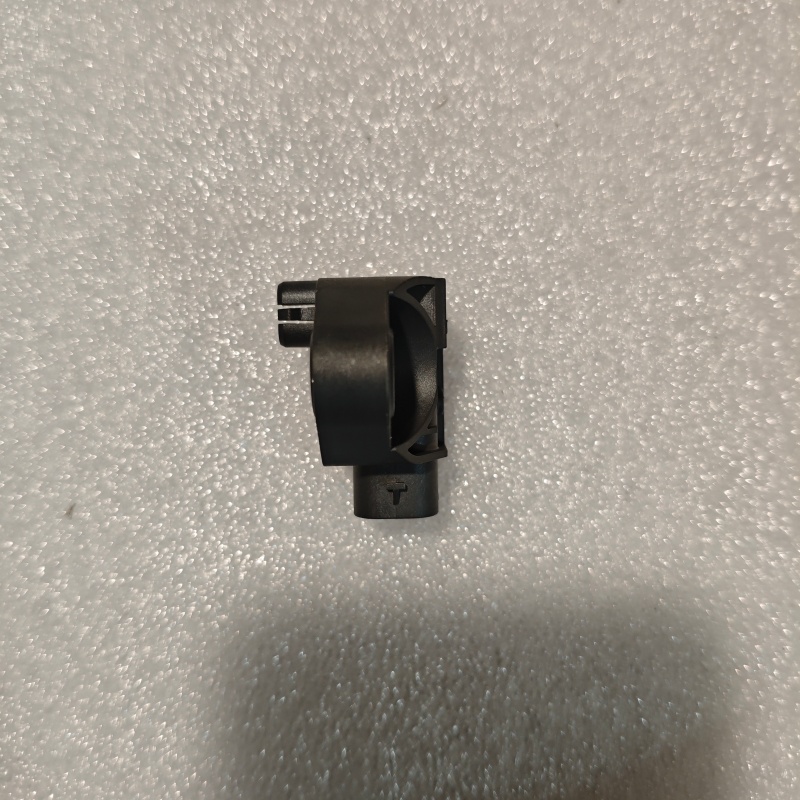
When ordering this component, precise vehicle identification is essential. This trim piece is often vehicle-make and model-specific, even varying between trim levels and model years. A part designed for a seat with power adjustment, lumbar support, and heating will differ significantly from one for a manual seat. The integrated electrical connectors, switch cut-outs, and cable routing pathways must align perfectly with your vehicle’s factory configuration. Incorrect selection can lead to non-functional controls, warning lights, or a physically incompatible part that cannot be installed.
For installers and DIY enthusiasts, handling this part requires care for the embedded electrical elements. Installation involves safely disconnecting the vehicle’s battery, carefully unplugging the existing seat wiring connectors, and transferring any necessary switches or modules to the new trim. The process underscores that the left front seat trim is an active electrical interface between the driver and the seat’s advanced systems. Sourcing a high-quality, OEM-specification or certified aftermarket part guarantees that this interface operates reliably, maintaining the integrity, safety, and luxury of your vehicle’s cockpit. Always verify part numbers and consult installation guides specific to your vehicle.