Intake Flow Control Valve
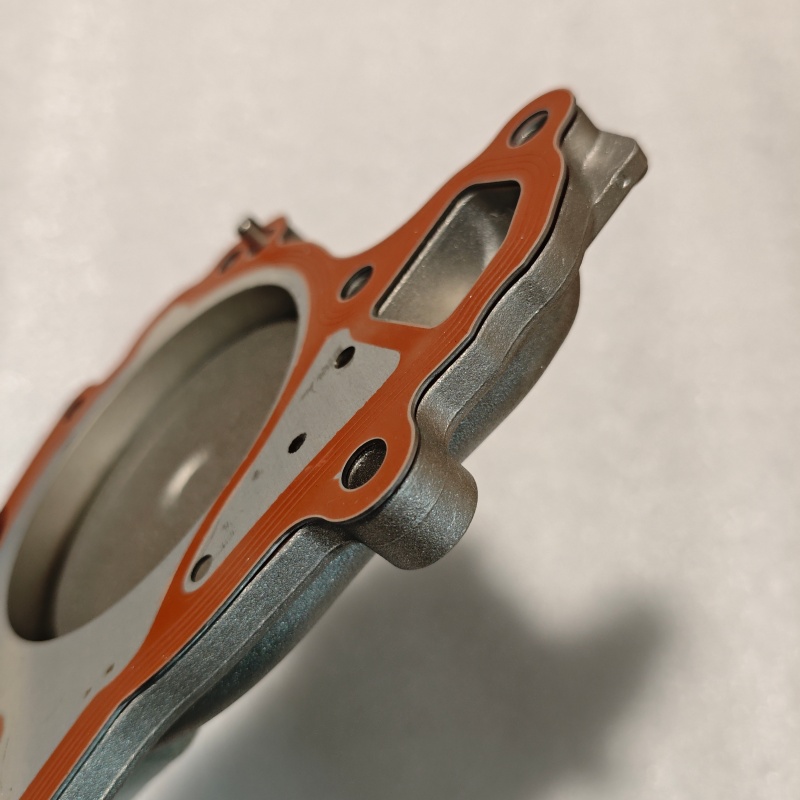
In the pursuit of optimal engine performance, efficiency, and responsiveness, precise control over the air entering the combustion chamber is paramount. The Intake Flow Control Valve is a critical component in modern air intake systems, designed to manage and optimize airflow dynamics under varying engine conditions.
Typically integrated into the intake manifold or air intake assembly, this valve operates by opening or closing specific pathways within the intake tract. Its primary function is to alter the length or geometry of the intake runners. During low engine speeds, the valve remains closed, creating a longer, more turbulent airflow path. This design increases air velocity, improving air-fuel mixing and low-end torque for better throttle response and drivability. At higher RPMs, the valve opens, providing a shorter, more direct path for air. This reduces restriction, allowing a greater volume of air to flow into the cylinders, thereby maximizing high-speed power output.
A properly functioning Intake Flow Control Valve ensures a broad and flat torque curve, enhancing both daily driving comfort and overall engine efficiency. Failure of this component, such as becoming stuck open or closed due to carbon buildup or actuator issues, can lead to noticeable symptoms. These include reduced power at specific RPM ranges, poor fuel economy, rough idling, and potentially triggering the check engine light.
For vehicle owners, understanding the role of this valve underscores the importance of regular intake system maintenance. Keeping this mechanism clean and operational is essential for maintaining the engineered balance of power, efficiency, and smooth operation that modern engines are designed to deliver.