The Pedestrian Protection Computer Dz is a critical safety component in modern vehicle design, engineered to mitigate injury in the event of a collision with a pedestrian. This sophisticated electronic control unit continuously monitors data from a network of external sensors, typically located on the vehicle’s front bumper. Upon detecting an impact with a pedestrian, the system makes a millisecond-level calculation. If the specific parameters are met, the Pedestrian Protection Computer Dz triggers proactive safety mechanisms to reduce the severity of the incident.
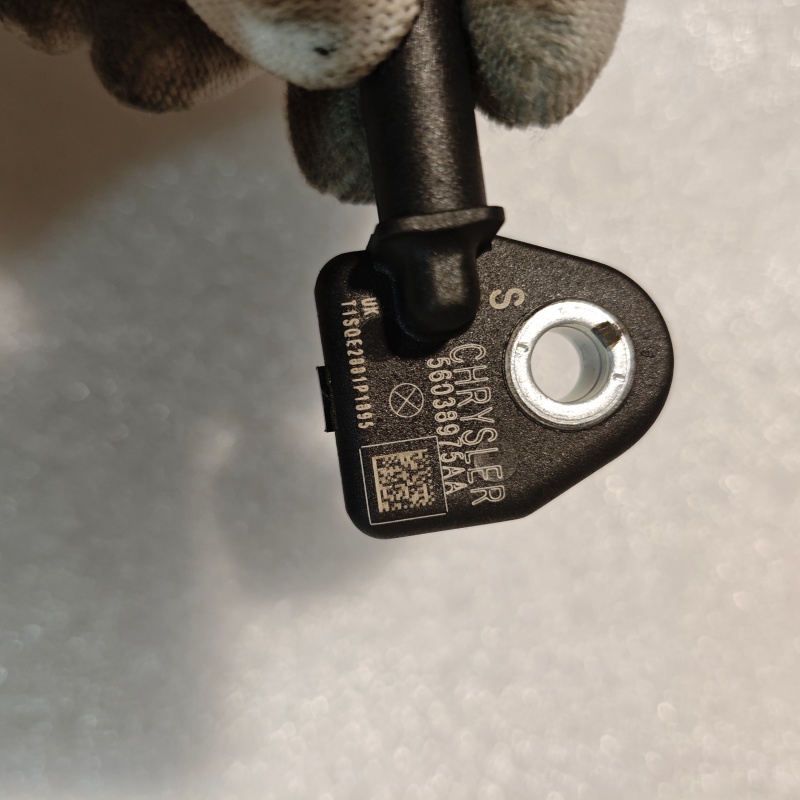
These countermeasures often include the automatic deployment of pyrotechnic pedestrian pop-up hood systems. By lifting the rear section of the hood, it creates a crucial buffer zone between the stiff engine components and the pedestrian, helping to absorb impact energy. In some vehicle architectures, the system may also be integrated with external airbag systems or other protective devices. The core function of this computer is to make these complex, life-preserving decisions with unparalleled speed and reliability, functioning as the central brain for pedestrian safety systems.
Designed for durability and precision, the Pedestrian Protection Computer Dz meets rigorous automotive standards for environmental resistance, electromagnetic compatibility, and long-term performance. It represents a significant advancement in holistic vehicle safety, moving beyond occupant protection to actively safeguard vulnerable road users. For automotive technicians and parts specialists, supplying and installing genuine or high-quality equivalent units is essential for restoring a vehicle’s original safety integrity following a collision or system fault. This ensures the vehicle’s advanced protective features operate as engineered by the manufacturer.