The petrol float, a once-common component in traditional fuel sending units, is now a part of automotive history. For decades, this hollow, buoyant device—typically made from foam or a similar material—played a crucial role in fuel level measurement. It was attached to a metal arm connected to a variable resistor. As the fuel level in the tank rose and fell, "The Petrol Float Is Out Of Production" and has been largely superseded by modern, floatless sending unit designs.
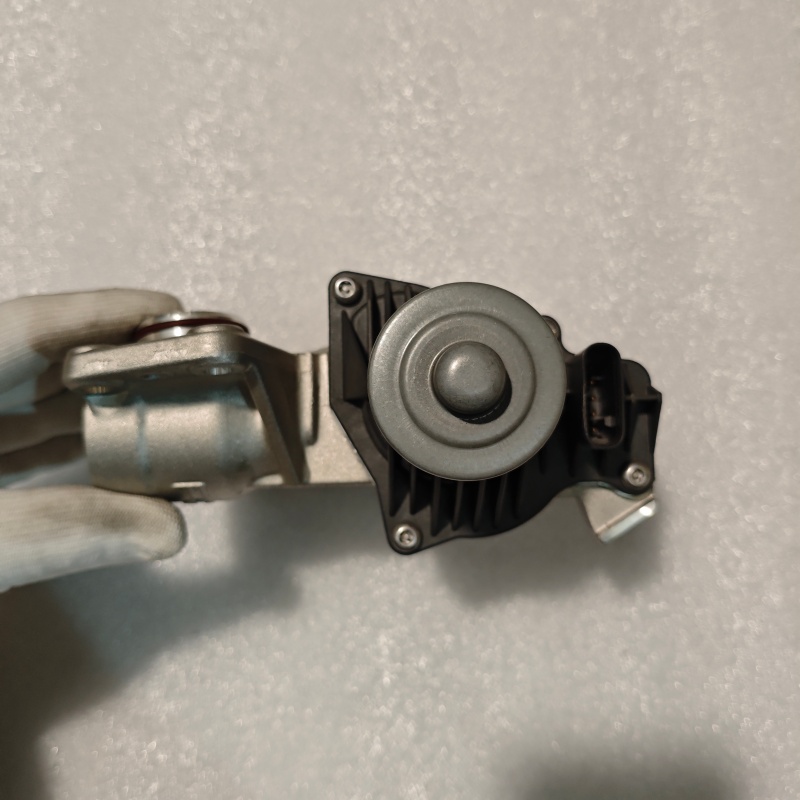
The primary reason for this shift is the evolution in fuel composition and the demand for greater accuracy and longevity. Traditional petrol floats, especially foam varieties, are susceptible to degradation from modern ethanol-blended fuels. This can cause them to become saturated, lose buoyancy, and ultimately provide inaccurate fuel gauge readings. Furthermore, the mechanical wear on the pivot arm and the electrical contacts within the resistor can lead to further reliability issues over time.
Modern vehicles now predominantly use electronic or ultrasonic sending units that do not rely on a floating component. These systems offer superior reliability, are impervious to fuel chemistry changes, and provide more precise data to the vehicle’s instrument cluster and onboard computer. For owners of classic cars or older vehicles, this means that sourcing a direct, brand-new replacement petrol float is increasingly difficult. The available options typically involve refurbishing the original unit with a new float material, purchasing a complete modern aftermarket sending unit assembly, or sourcing a unit from specialist vintage parts suppliers.
While the familiar petrol float is no longer in production for contemporary applications, understanding its function and why it was phased out remains important for diagnosing fuel gauge issues in older vehicles and making informed decisions about their maintenance and restoration.