Electronic Fan Assembly
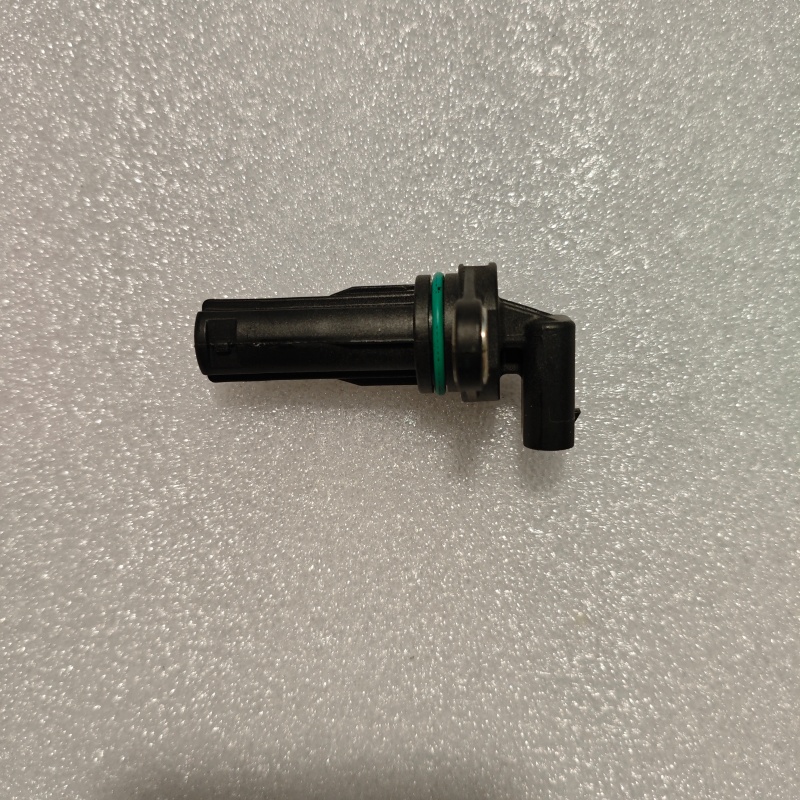
In modern automotive cooling systems, the Electronic Fan Assembly is a critical component for managing engine temperature and ensuring optimal performance. Unlike traditional belt-driven fans, this assembly operates independently via an electric motor, controlled by the vehicle’s engine control unit (ECU) or a dedicated thermostatic switch. This allows for precise, on-demand cooling based on real-time engine temperature data, contributing significantly to fuel efficiency and reduced parasitic engine load.
The primary function of the Electronic Fan Assembly is to draw ambient air through the vehicle’s radiator and, in many configurations, the condenser for the air conditioning system. By actively dissipating heat from the engine coolant, it prevents overheating under demanding conditions such as idling in traffic, towing, or during high ambient temperatures. Its electric operation means it can activate exactly when needed and run at variable speeds, providing a more consistent thermal management compared to mechanical fans.
A typical assembly consists of a brushless DC electric motor, a fan shroud for directed airflow, and a multi-bladed plastic or metal fan. Key advantages include improved engine reliability, enhanced air conditioning efficiency, and a reduction in overall noise. For vehicle owners, a malfunctioning unit can lead to rapid engine overheating, potential A/C performance loss, and increased risk of serious engine damage. Therefore, ensuring this assembly is in perfect working order is essential for vehicle health and safety. When selecting a replacement, compatibility with the vehicle’s make, model, engine specifications, and voltage requirements is paramount for seamless integration and performance.