In the intricate ecosystem of an automotive drivetrain, the seamless transfer of rotational force is paramount. This critical function is often facilitated by a specific and vital component interaction, perfectly encapsulated by the phrase: "The Bearing Turns To The Middle Shaft". This describes a fundamental mechanical relationship where a bearing’s primary role is to support and enable the smooth rotation of an intermediate, or middle, shaft within an assembly.
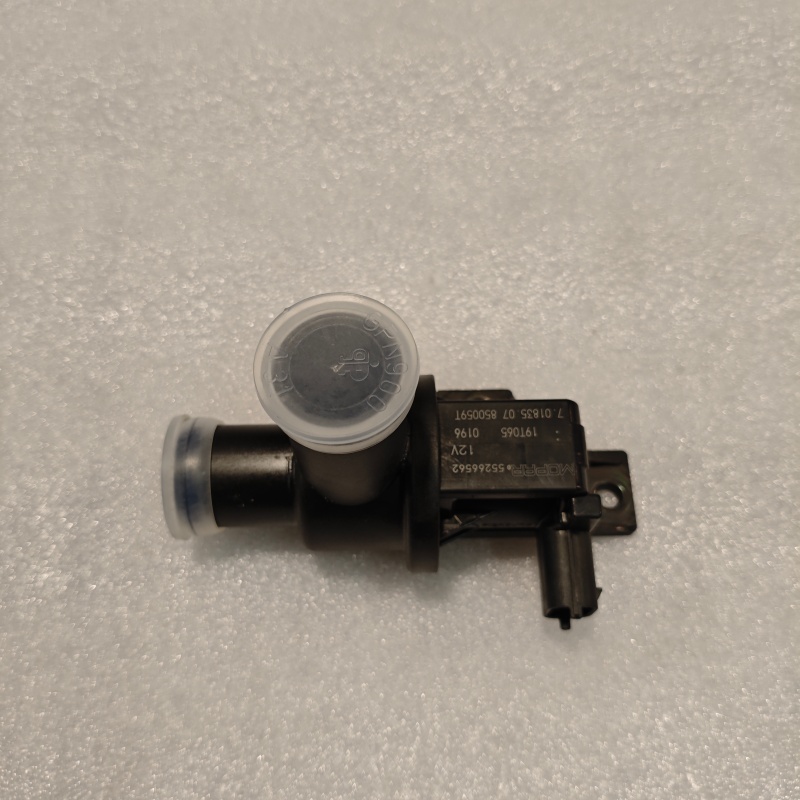
This middle shaft often acts as a central linkage, connecting power from the engine or transmission to other auxiliary systems or final drive components. The bearing assigned to this task is not a passive part. It is a precision-engineered element designed to manage significant radial and axial loads while minimizing friction. Its performance directly impacts the efficiency, stability, and longevity of the entire system. When the bearing turns to the middle shaft, it ensures that rotational motion is transmitted without wobble, excessive heat generation, or premature wear.
For automotive applications, this specific bearing-to-shaft relationship is crucial in components like gearboxes, transfer cases, and differentials. A high-quality bearing in this role reduces vibration and noise, contributing to a smoother and quieter vehicle operation. It also protects the middle shaft from direct metal-to-metal contact, preventing scoring and catastrophic failure. Therefore, selecting the correct bearing—with the right tolerances, material composition, and lubrication—is essential. Understanding the principle that "the bearing turns to the middle shaft" underscores the importance of component synergy, where the reliability of the whole system depends on the flawless operation of this interconnected pair. Always ensure replacement parts meet or exceed OEM specifications for optimal performance and durability.