Rear Differential Output Shaft
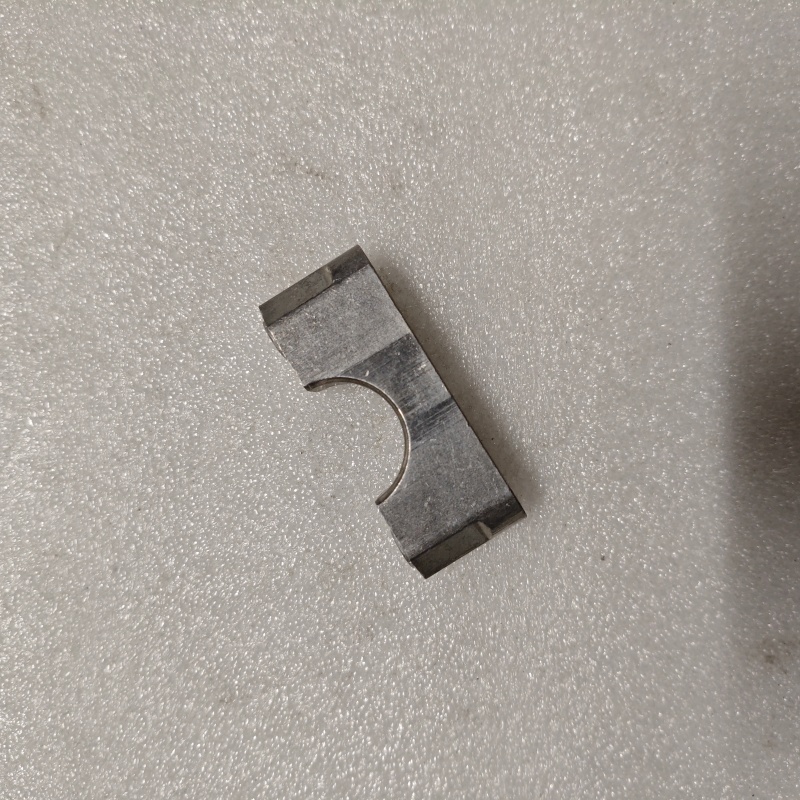
The rear differential output shaft is a critical drivetrain component in rear-wheel drive and four-wheel drive vehicles. Its primary function is to transfer torque from the vehicle’s differential assembly directly to the rear drive wheels. Essentially, it serves as the final link in the power delivery chain, translating rotational force from the differential into the motion that propels the vehicle forward.
This robust shaft is splined on both ends: one end connects securely to the side gear inside the differential carrier, while the opposite end attaches to the rear wheel hub or axle shaft. As the differential gears rotate, they turn the output shafts, which in turn rotate the wheels. In many solid axle designs, the Rear Differential Output Shaft is also responsible for supporting the vehicle’s weight and maintaining wheel alignment, making its structural integrity paramount.
Failure of this component, though uncommon under normal conditions, can occur due to extreme stress, improper installation, or lack of lubrication. Symptoms of a failing output shaft often include noticeable clicking or clunking sounds during turns, vibrations felt in the vehicle, or visible fluid leaks from the differential seals. A severely damaged shaft can lead to a complete loss of power to one wheel and potential wheel lock-up, creating a significant safety hazard.
When replacement is necessary, it is crucial to use a high-quality, vehicle-specific output shaft. Ensuring proper installation with correct torque specifications and fresh differential fluid is essential for longevity and performance. This component is fundamental to a reliable and efficient drivetrain, directly impacting the vehicle’s traction, handling, and overall driving dynamics.