The Universal Joint Connection Shaft, often referred to as a driveshaft or propeller shaft, is a critical drivetrain component responsible for transmitting torque and rotational power between non-aligned components. In automotive applications, it is most commonly found connecting the transmission output shaft to the differential input shaft, enabling power delivery to the wheels while accommodating the relative movement between the chassis and the axle.
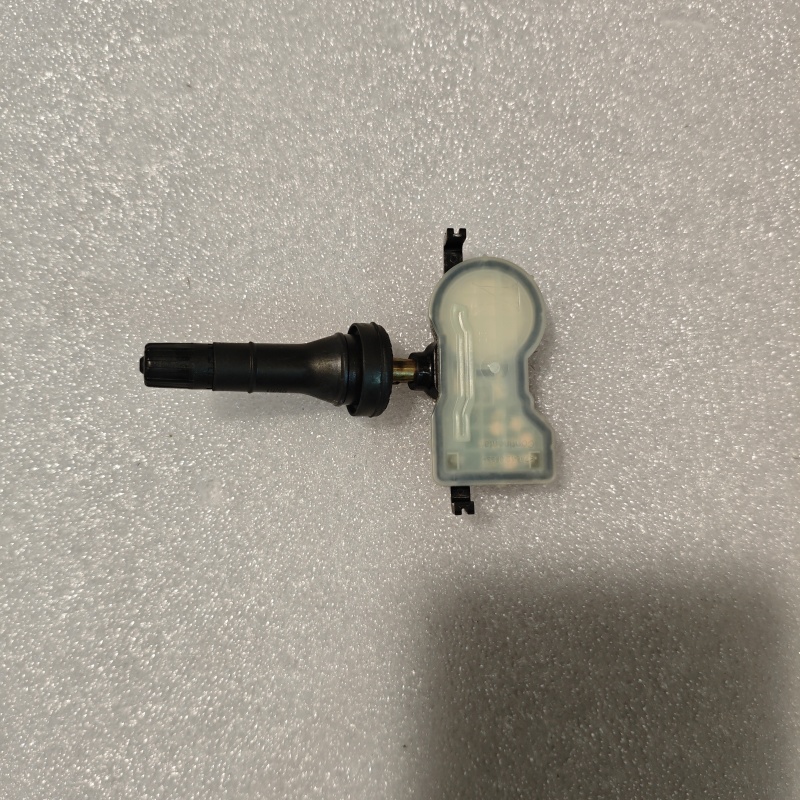
Its primary function is to provide a reliable and efficient connection where a rigid shaft would be impractical. The key to its operation lies in the universal joints (U-joints) located at each end. These joints allow the shaft to flex and adjust its angle as the vehicle’s suspension articulates over bumps and dips, ensuring a smooth and constant transfer of power even under dynamic conditions. This design is essential for rear-wheel-drive, four-wheel-drive, and many all-wheel-drive vehicles, where the distance and alignment between power source and wheels are not fixed.
Constructed from high-strength steel or advanced composite materials, the Universal Joint Connection Shaft is engineered for durability and balance. Proper balance is crucial to prevent vibrations at high rotational speeds, which can lead to driver discomfort and premature wear on related components such as bearings and seals. Regular maintenance, including inspecting the U-joints for wear and ensuring the shaft remains properly balanced, is vital for vehicle safety and performance.
In summary, this component is a masterpiece of mechanical design, solving the fundamental challenge of delivering engine power smoothly and reliably to the wheels, regardless of the ever-changing angles and distances within a vehicle’s moving drivetrain system.