In automotive heating systems, the heater core is the essential component that warms the cabin. However, its function relies entirely on a network of pipes to circulate hot engine coolant. A critical design feature within this network is that the heater pipe has a joint. This is not an incidental connection but a fundamental engineering element crucial for serviceability, assembly, and vehicle safety.
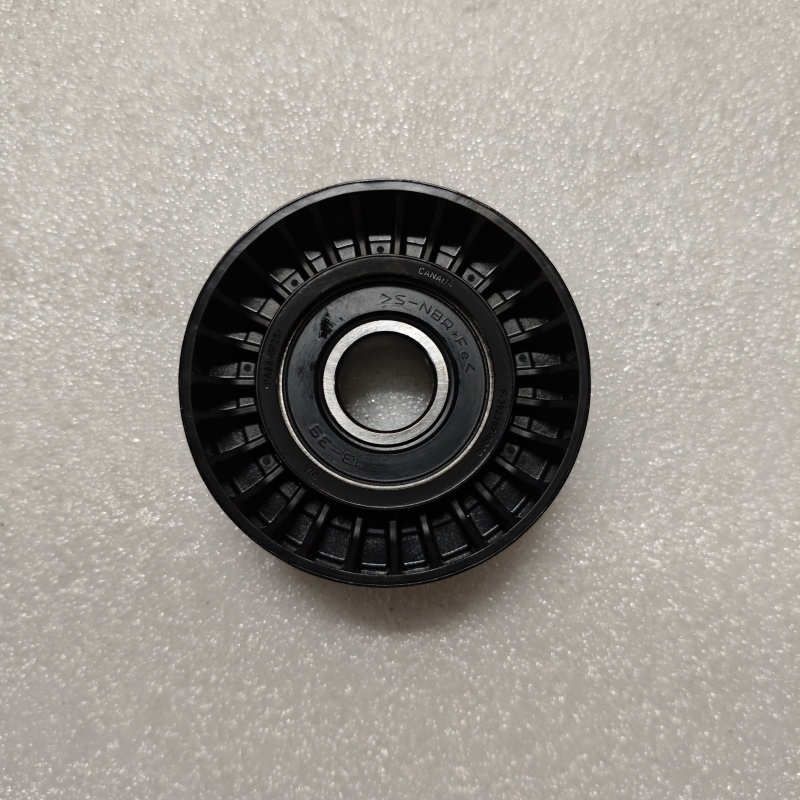
The primary purpose of this joint is to facilitate installation and replacement. The heater pipes often follow complex routes from the engine block, through the firewall, and to the heater core. A single, rigid pipe would be nearly impossible to install within the tight confines of a modern engine bay. By incorporating a joint—typically a threaded coupling, a quick-connect fitting, or a flange secured by bolts—manufacturers create a serviceable assembly. This allows mechanics to remove a damaged section, such as one corroded by coolant or cracked from vibration, without replacing the entire, often expensive, pipe assembly. It dramatically reduces repair time and cost.
Furthermore, this joint accommodates the natural movement and vibration of the engine. A rigid pipe could transfer excessive stress to the more fragile heater core connections, leading to leaks. The joint, especially when designed with flexible sections or proper gaskets, acts as a stress-relief point. It allows for slight misalignment during assembly and absorbs operational vibrations, protecting the entire heating system from premature failure. Therefore, when inspecting or replacing heater pipes, the integrity of this joint is paramount. A leaking or compromised joint will result in coolant loss, leading to inadequate cabin heating and, more critically, the risk of engine overheating. Understanding that the heater pipe has a joint underscores its role as a deliberate access and flexibility point, ensuring the reliable operation of your vehicle’s comfort system.