The braking system is the cornerstone of vehicle safety, and at its heart lies the critical partnership between the Vacuum Booster And Master Brake Cylinder. This integrated assembly is responsible for translating the driver’s pedal input into the powerful hydraulic force needed to slow or stop the vehicle efficiently and reliably.
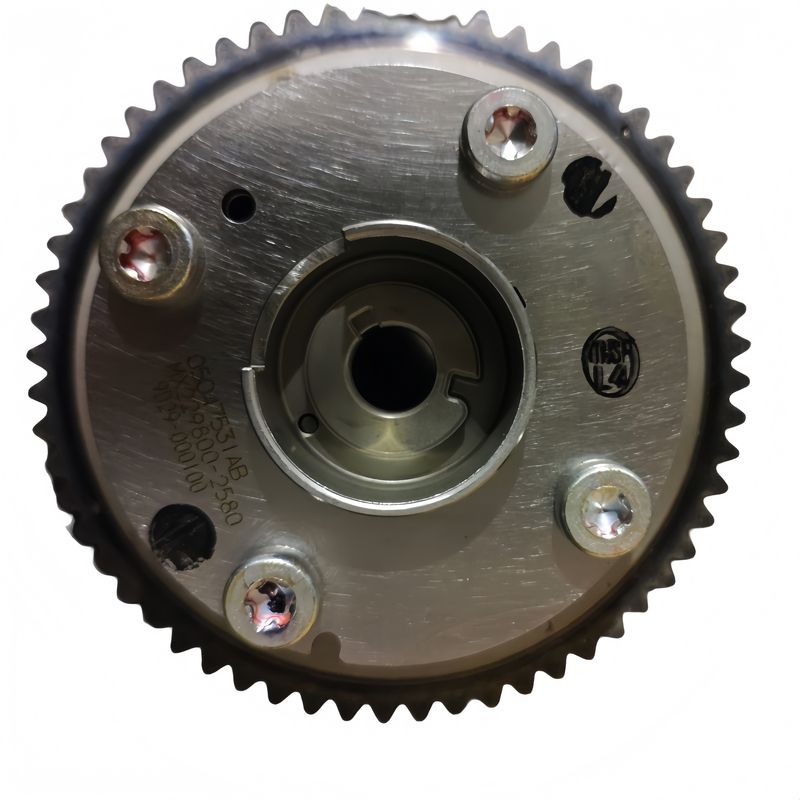
When the brake pedal is depressed, the vacuum booster, or brake booster, immediately multiplies the force applied. It utilizes engine vacuum (or a dedicated vacuum pump in some modern vehicles) to create assistance, significantly reducing the pedal effort required from the driver. This amplified force is then transferred directly to the master cylinder. The master cylinder converts this mechanical force into hydraulic pressure. It pressurizes brake fluid, which is then distributed through the brake lines to the calipers or wheel cylinders at each wheel, ultimately activating the brake pads against the rotors.
A failure in either component compromises the entire system. A faulty vacuum booster leads to an excessively hard brake pedal, making stopping difficult and increasing driver fatigue. A failing master cylinder may result in a soft, spongy pedal, fluid leaks, or a gradual loss of brake pressure, all of which are severe safety hazards. Symptoms such as increased stopping distance, unusual pedal feel, or visible brake fluid leaks indicate the need for immediate inspection.
This assembly is a vital safety-critical component. For optimal performance and safety, always ensure replacements meet or exceed original equipment specifications. Regular brake system checks and using high-quality brake fluid are essential to maintaining the integrity and function of the Vacuum Booster And Master Brake Cylinder, ensuring confident and responsive braking every time.