Air Conditioning Control Mechanism
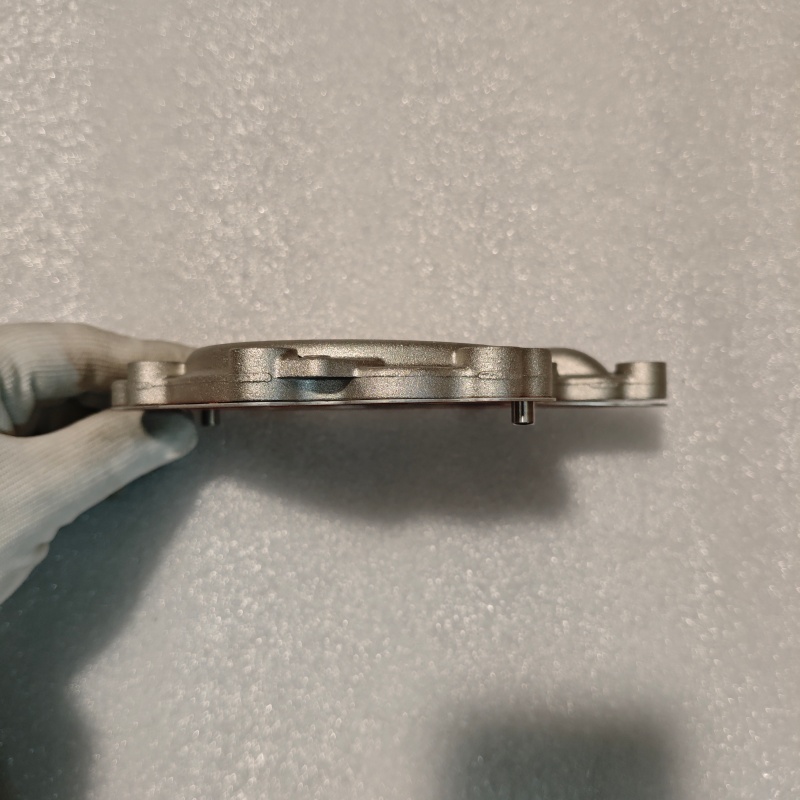
The modern automotive climate control system relies on a sophisticated network of components, with the Air Conditioning Control Mechanism serving as its central command unit. This crucial interface, typically located on the dashboard, is the driver’s primary point of interaction for managing cabin temperature, airflow, and air distribution.
Fundamentally, this mechanism translates user inputs into electronic signals. When adjustments are made—such as selecting a desired temperature, fan speed, or vent mode—these commands are sent to the vehicle’s climate control module. This module then precisely coordinates the operation of various systems: it engages the compressor clutch, adjusts the blend door actuators to mix hot and cold air, regulates the blower motor, and redirects airflow through the chosen vents. The seamless integration of this control unit ensures a rapid and accurate response to maintain a consistently comfortable environment.
In today’s vehicles, this mechanism often integrates advanced features beyond basic knobs and buttons. These include digital displays, touch-sensitive panels, and even voice-command compatibility or smartphone app connectivity. Furthermore, many systems incorporate automatic climate control logic, where setting a target temperature allows the mechanism to intelligently manage all subordinate functions to achieve and sustain that setting with minimal further input.
Therefore, a fully functional and responsive Air Conditioning Control Mechanism is vital not only for passenger comfort but also for reducing driver distraction. It represents the intelligent hub that orchestrates the entire climate control process, ensuring optimal performance, energy efficiency, and a pleasant driving experience in all weather conditions.