The Fuel Tank Isolation Valve is a critical emissions control component within modern vehicle fuel systems. Its primary function is to manage the flow of fuel vapor between the fuel tank and the engine’s intake system, ensuring compliance with stringent environmental regulations. By isolating the fuel tank under specific conditions, this valve prevents harmful hydrocarbons from escaping into the atmosphere, contributing to a cleaner environment.
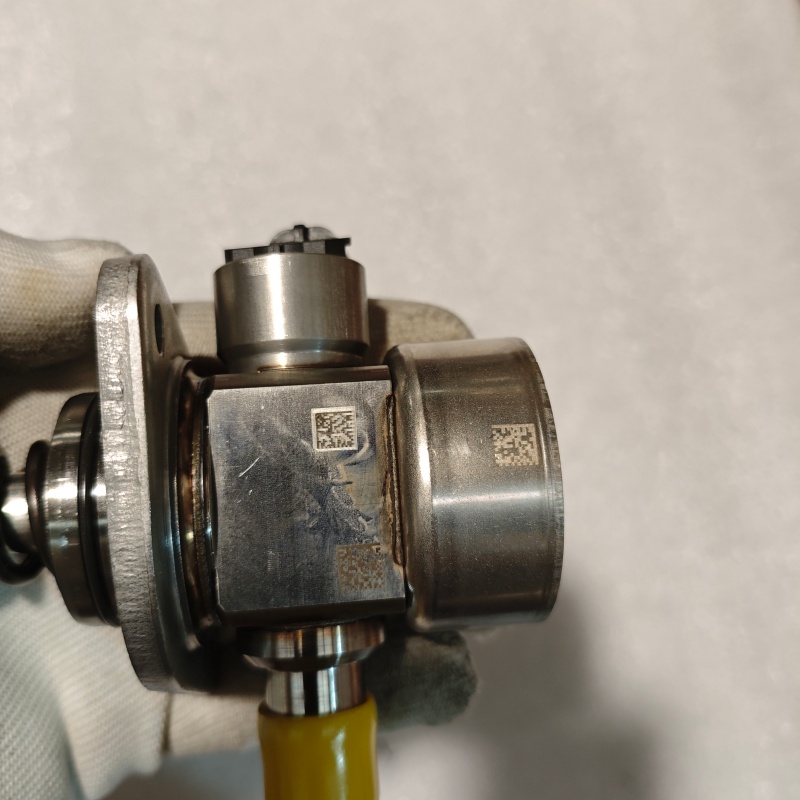
This electronically controlled valve is typically integrated into the vehicle’s evaporative emission control system. It is strategically located within the vapor line that runs from the fuel tank to the charcoal canister. Upon receiving a signal from the engine control unit, the valve opens to allow stored fuel vapors to be purged from the canister and drawn into the engine for combustion. Conversely, it closes to seal the fuel tank during refueling events, engine-off periods, or when the system is undergoing a diagnostic leak test. This precise isolation is essential for maintaining proper system pressure and preventing vapor loss.
A faulty Fuel Tank Isolation Valve can trigger the check engine light and lead to several noticeable issues. Common symptoms include a fuel smell, difficulty refueling due to improper tank venting, and failed emissions tests. In some cases, it may also cause rough engine idling during the vapor purge cycle. Ensuring this valve is operating correctly is vital for both vehicle performance and environmental responsibility. When replacement is necessary, always opt for high-quality, OEM-equivalent parts to guarantee a perfect fit, reliable operation, and continued adherence to emission standards.