The gearbox solenoid valve is a critical yet often overlooked component in modern automatic transmissions. Despite its compact size, this small electromechanical device plays an outsized role in ensuring smooth and precise gear shifts. Its primary function is to act as a high-speed switch, controlling the flow of transmission fluid to specific hydraulic circuits. This directed fluid pressure is what engages or disengages clutches and bands, ultimately determining which gear your vehicle is in at any given moment.
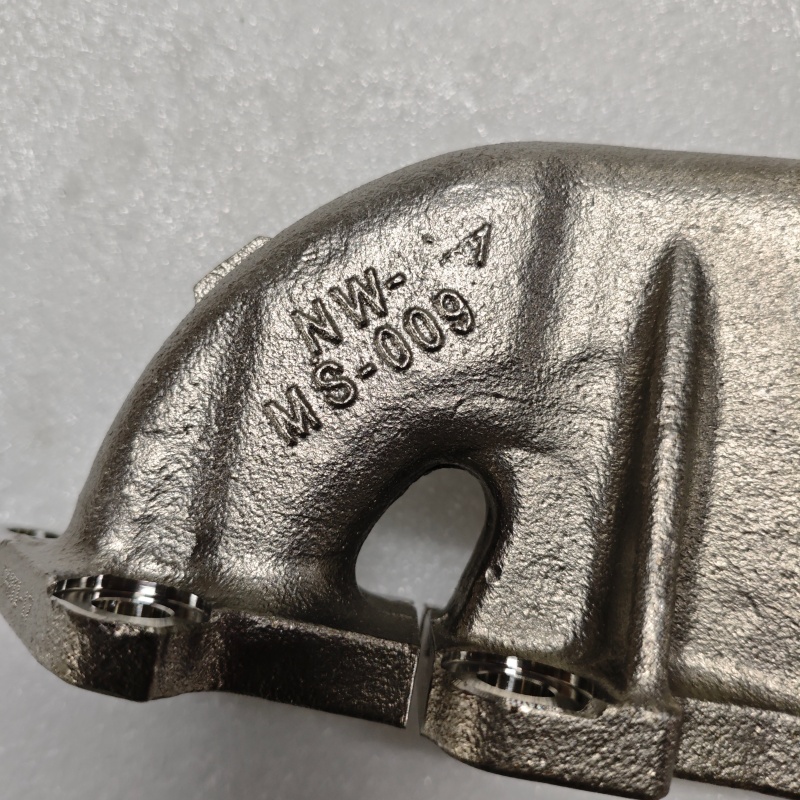
The gearbox solenoid valve is small, typically no larger than a few inches in any dimension, allowing it to be integrated directly into the transmission valve body or control unit. This compact design is a significant engineering advantage, enabling faster response times and more direct control compared to older, purely hydraulic systems. Its small stature belies its complexity; inside, a precise electromagnetic coil, a plunger, and various fluid channels work in harmony. When the Transmission Control Module (TCM) sends an electrical signal, the coil is energized, moving the plunger to open or close ports, thereby channeling hydraulic pressure exactly where and when it is needed.
For vehicle owners and technicians, the small size of the solenoid valve has practical implications. It means that issues related to shifting—such as harsh engagements, delayed shifts, or slipping gears—can often be traced back to this component. Failure is commonly due to electrical problems, contamination from worn clutch material or debris in the fluid, or simple wear and tear. The valve’s accessibility within the valve body often makes it a more cost-effective repair than a full transmission overhaul. When sourcing a replacement, it is crucial to select a high-quality valve designed for your specific transmission model to ensure optimal performance, longevity, and the seamless driving experience that modern automatic transmissions are designed to deliver.