A Rear Reversing Radar Sensor system is an indispensable safety feature for modern vehicles, designed to prevent collisions while backing up. This technology utilizes ultrasonic sensors, typically embedded in the rear bumper, to detect stationary and moving objects behind the car that may be invisible in the rearview mirror or through rear windows. When the driver engages reverse gear, the system activates automatically, emitting inaudible sound waves. These waves bounce off obstacles and return to the sensors.
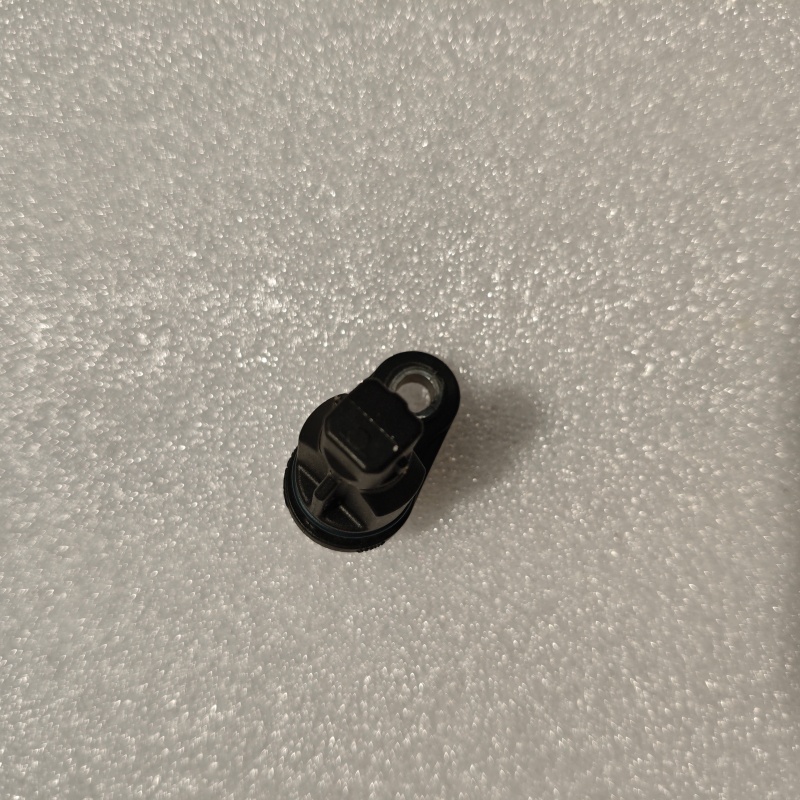
The control unit then calculates the distance to the object based on the time taken for the signal to return. This information is relayed to the driver through an increasingly urgent audible beep within the cabin. More advanced systems integrate with a visual display on the infotainment screen, often showing a graphical representation of the vehicle and the relative position of the hazard. This audio-visual feedback allows the driver to gauge the proximity of the obstacle with precision, enabling safer maneuvering in tight parking spots, crowded driveways, or areas with low visibility.
The primary benefit of this technology is the significant enhancement of situational awareness and the reduction of blind spots. It acts as a crucial aid, helping to avoid costly and stressful damage to your vehicle and, more importantly, preventing potential injuries to pedestrians, pets, or cyclists. For larger vehicles like SUVs and trucks, where rear visibility is inherently more limited, a rear reversing radar sensor is particularly valuable. It serves as a reliable co-pilot during one of the most challenging driving maneuvers, providing an extra layer of confidence and security every time you shift into reverse.