Refrigerate Solenoid Valve
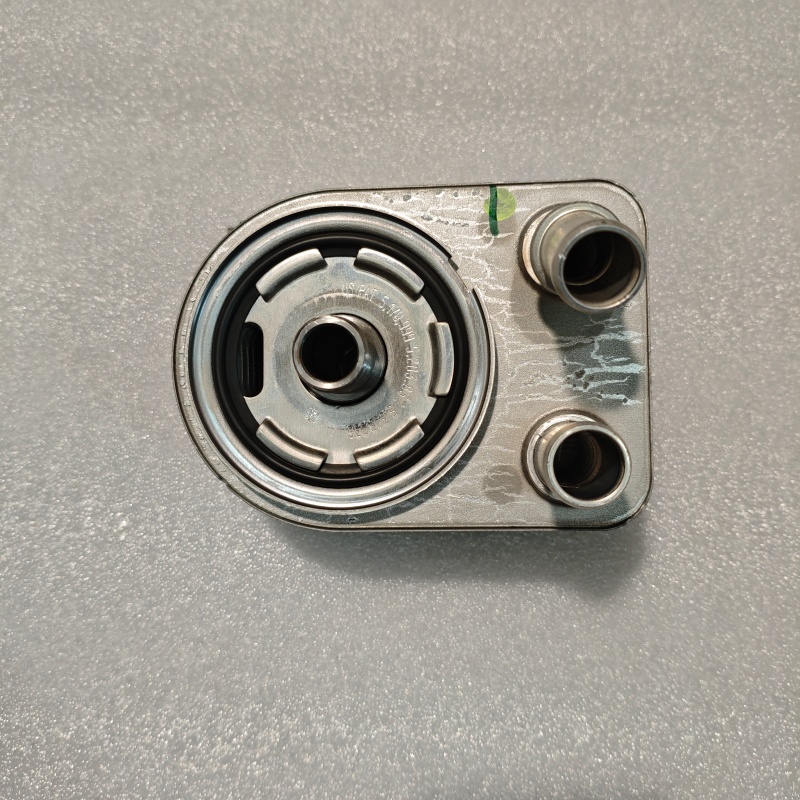
In modern automotive climate control systems, precise regulation of refrigerant flow is paramount for both efficiency and performance. This critical function is managed by a key electronic component: the Refrigerate Solenoid Valve. This device acts as an electrically controlled gate within the refrigerant circuit, typically installed on the high-pressure line between the condenser and the expansion valve or evaporator.
The primary role of the Refrigerate Solenoid Valve is to start, stop, or modulate the flow of liquid refrigerant based on signals from the vehicle’s engine control module (ECM) or climate control unit. When de-energized, the valve is normally closed, blocking refrigerant passage. Upon receiving an electrical signal, its internal solenoid coil activates, lifting a plunger to open the valve and allow refrigerant to proceed. This direct electronic control enables sophisticated system management, such as deactivating the air conditioning during high engine load or enabling precise temperature regulation in automatic climate control setups.
A properly functioning valve ensures optimal system pressure, contributes to effective cabin cooling, and protects the compressor from potential damage due to liquid slugging. Common symptoms of a failing valve include inconsistent cooling, complete loss of air conditioning function, or unusual noises from the AC circuit. When replacement is necessary, it is crucial to select a valve that matches the vehicle’s specifications and refrigerant type (e.g., R-134a or R-1234yf). Ensuring a proper seal during installation and following correct recovery and recharge procedures are vital steps for restoring system integrity and performance.