Crankshaft Discontinuation signifies a pivotal moment in the lifecycle of any vehicle model. It occurs when the original equipment manufacturer (OEM) ceases the production of a specific crankshaft part number. This decision is typically driven by evolving engine designs, updated manufacturing processes, or the natural conclusion of a vehicle platform’s production run. For owners of older or classic vehicles, this announcement directly impacts the availability of genuine, OEM-specified components for engine repair or rebuild projects.
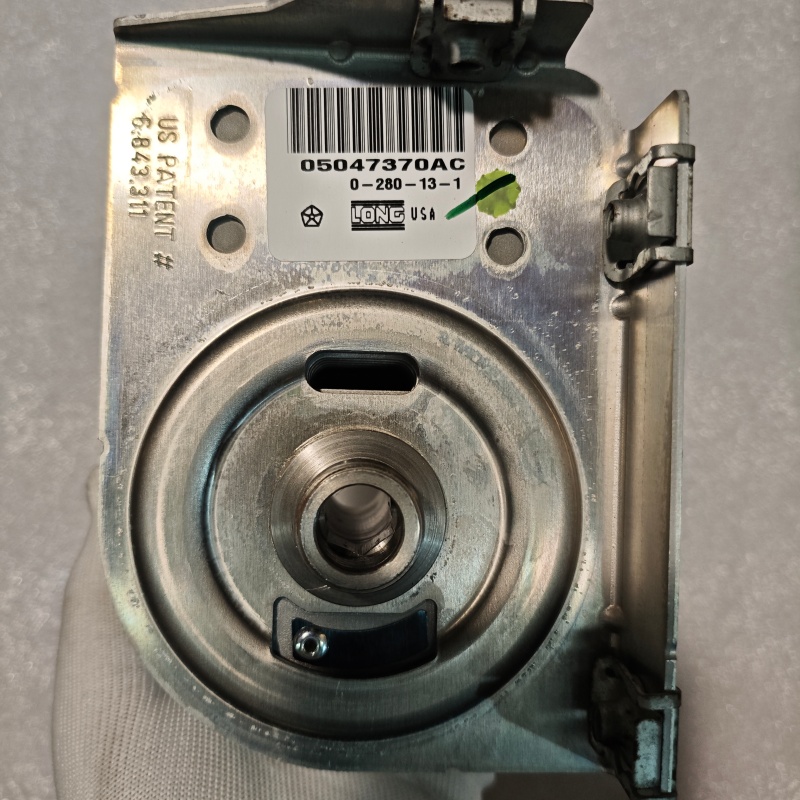
When a crankshaft discontinuation is issued, the remaining inventory with authorized dealers and distributors becomes the final stock. Once depleted, sourcing an exact OEM replacement becomes significantly more challenging. This creates a critical juncture for vehicle enthusiasts and professional mechanics to secure the necessary parts before they potentially become scarce or obsolete. It underscores the importance of proactive maintenance planning and sourcing from reputable suppliers who maintain comprehensive inventories of these essential components.
This transition also highlights the value of high-quality aftermarket and specialty manufacturer alternatives. Reputable automotive parts websites often provide suitable, and sometimes improved, replacement crankshafts that meet or exceed original specifications. These alternatives ensure that vehicle restoration and engine repair can continue seamlessly. Understanding the implications of a crankshaft discontinuation allows for informed decision-making, ensuring your engine’s longevity and performance are preserved with the correct component, even after original parts are phased out.