The modern braking system is a complex network of components working in unison to ensure vehicle safety and control. A critical pathway within this system is the hydraulic line from brake master cylinder to ABS pump. Understanding this connection is essential for appreciating how your vehicle’s braking and anti-lock systems interact.
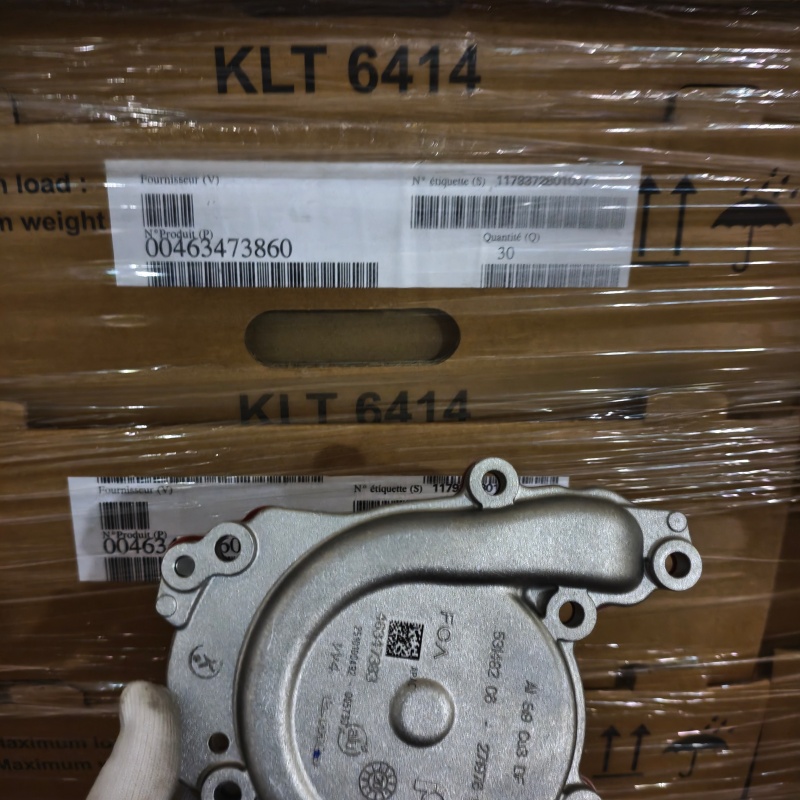
When the driver applies pressure to the brake pedal, the force is transferred to the brake master cylinder. This primary component converts the mechanical force into hydraulic pressure. The pressurized brake fluid is then propelled through robust steel brake lines directly to the inlet port of the ABS pump unit. This journey from brake master cylinder to ABS pump is the first stage in a highly coordinated process. The ABS module, which contains the pump, valves, and an electronic control unit, then takes over. It constantly monitors wheel speed sensors. Under normal braking conditions, the fluid passes through the module with minimal interference. However, if the system detects an impending wheel lock during hard braking or on slippery surfaces, the ABS solenoid valves rapidly modulate the fluid pressure to the individual wheels. The integrated pump helps maintain optimal pressure within the system during this rapid cycling, preventing pedal drop and ensuring the driver retains steering control.
Therefore, the integrity of the hydraulic line and the components along this route is paramount. Any damage, leak, or malfunction in the master cylinder, the connecting lines, or the ABS pump itself can compromise the entire braking and anti-lock system. For vehicle owners, this underscores the importance of using only high-quality, manufacturer-specified replacement parts and ensuring professional installation and regular system maintenance to guarantee that this vital pathway functions flawlessly.