The Vacuum Actuator Vacuum Valve Dz represents a critical juncture in modern automotive engine management and emissions control systems. This integrated component serves as a precise electromechanical interface, converting electrical signals from the vehicle’s Engine Control Unit (ECU) into controlled vacuum pressure. This vacuum is then the actuating force for a variety of essential functions.
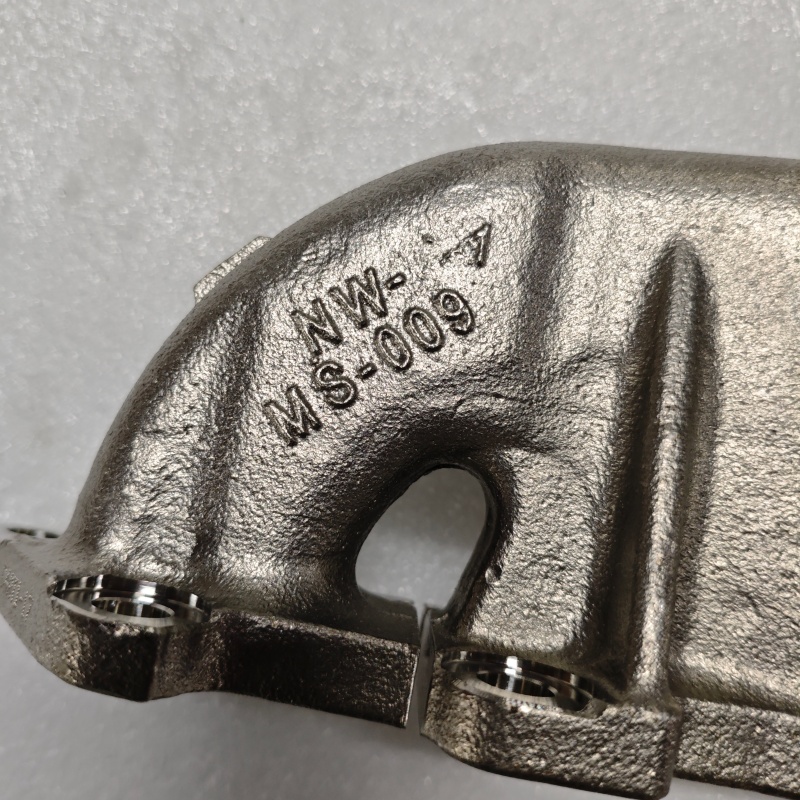
In practical application, the Vacuum Actuator Vacuum Valve Dz is fundamental for regulating systems such as the Exhaust Gas Recirculation (EGR), which lowers nitrogen oxide emissions by recirculating a portion of exhaust gases back into the engine cylinders. It also plays a key role in controlling intake manifold tuning valves, enhancing engine performance across different RPM ranges by optimizing airflow dynamics. Furthermore, it is integral to the operation of advanced vacuum-operated switches and actuators within climate control and braking assistance systems.
Engineered for durability and precision, this component ensures accurate and responsive control. Its robust construction is designed to withstand the harsh under-hood environment, including extreme temperature fluctuations, vibration, and constant exposure to various fluids. A failure or degradation in the Vacuum Actuator Vacuum Valve Dz can lead to noticeable drivability issues, including rough idling, reduced engine power, increased fuel consumption, and elevated emissions, potentially triggering dashboard warning lights.
For automotive technicians and enthusiasts sourcing parts, understanding the specific role and compatibility of this unit is paramount. When replacement is necessary, selecting a high-quality, direct-fit Vacuum Actuator Vacuum Valve Dz is crucial for restoring optimal vehicle performance, maintaining fuel efficiency, and ensuring the vehicle meets stringent emissions standards. Its reliable operation is a small but vital part of a complex, interconnected automotive ecosystem.