The The Lid Of The Radiator Reservoir is a critical yet often overlooked component in your vehicle’s cooling system. While small in size, it plays a vital role in maintaining proper system pressure and preventing coolant loss. This essential cap seals the radiator or coolant reservoir, creating a pressurized environment that raises the boiling point of the coolant. This allows the engine to operate at an efficient temperature without the coolant boiling over.
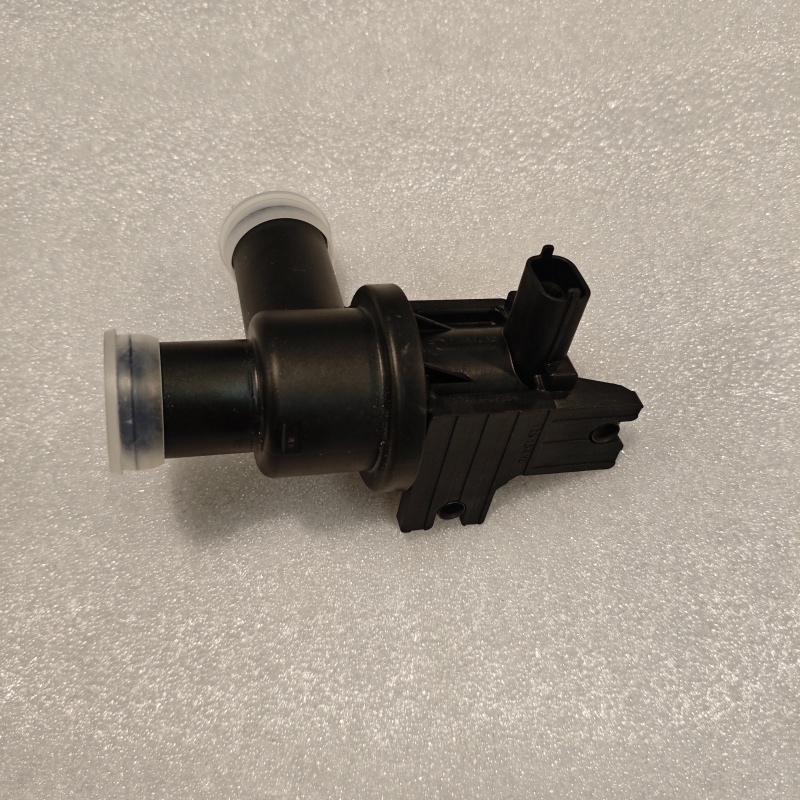
A properly functioning lid ensures the cooling system maintains the manufacturer’s specified pressure, typically between 12 to 18 PSI. This pressure is crucial for optimal heat transfer and overall engine performance. The lid incorporates a pressure relief valve that opens to release excess pressure if it exceeds the rated level, preventing damage to hoses, the radiator, or other components. It also features a vacuum valve that allows coolant to be drawn back from the overflow reservoir as the system cools, preventing the formation of damaging air pockets.
Over time, the seals and springs within the lid can degrade due to heat cycles and chemical exposure. A failed lid can lead to a loss of pressure, resulting in coolant boil-over, engine overheating, and potential severe damage. It is recommended to inspect the lid regularly for cracks, worn seals, or a weakened spring and replace it as part of routine cooling system maintenance. Ensuring this simple component is in perfect condition is a cost-effective way to protect your engine’s health and reliability.