Differential Pressure Sensor
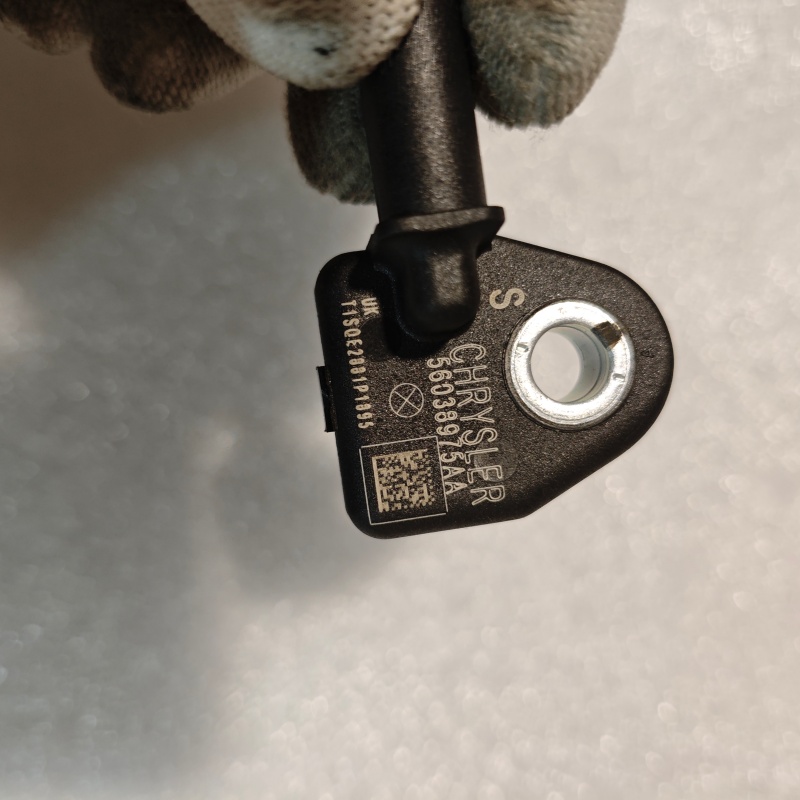
In modern automotive engineering, precise monitoring of various systems is paramount for optimal performance, efficiency, and emissions control. A Differential Pressure Sensor is a critical electronic component designed to measure the difference in pressure between two distinct points in a vehicle’s systems. Unlike a standard pressure sensor that measures against a fixed reference, this device provides real-time data on the pressure drop across a specific component or subsystem.
Its most prominent application is within the exhaust after-treatment system, particularly in diesel vehicles equipped with Diesel Particulate Filters (DPF). The sensor continuously monitors the pressure before and after the DPF. As the filter traps soot particles, the pressure differential increases. This data is crucial for the engine control unit (ECU) to determine when a regeneration cycle is required to burn off the accumulated soot, ensuring the DPF operates efficiently and preventing harmful blockages. Furthermore, these sensors are vital in monitoring the health of the gasoline particulate filter (GPF) in modern gasoline engines and play a role in advanced emission control strategies.
Beyond exhaust systems, differential pressure sensors are also employed to monitor intake air filters, cabin air filters, and even in certain fuel system configurations. By detecting abnormal pressure drops, they can signal when a filter requires replacement or if there is a potential leak or restriction. This proactive monitoring helps maintain engine performance, protects critical components from damage, and ensures the vehicle adheres to strict environmental regulations. Choosing a high-quality, vehicle-specific differential pressure sensor is therefore essential for reliable diagnostics and the long-term health of your vehicle’s key systems.