Clutch Disengage Fork Pivot
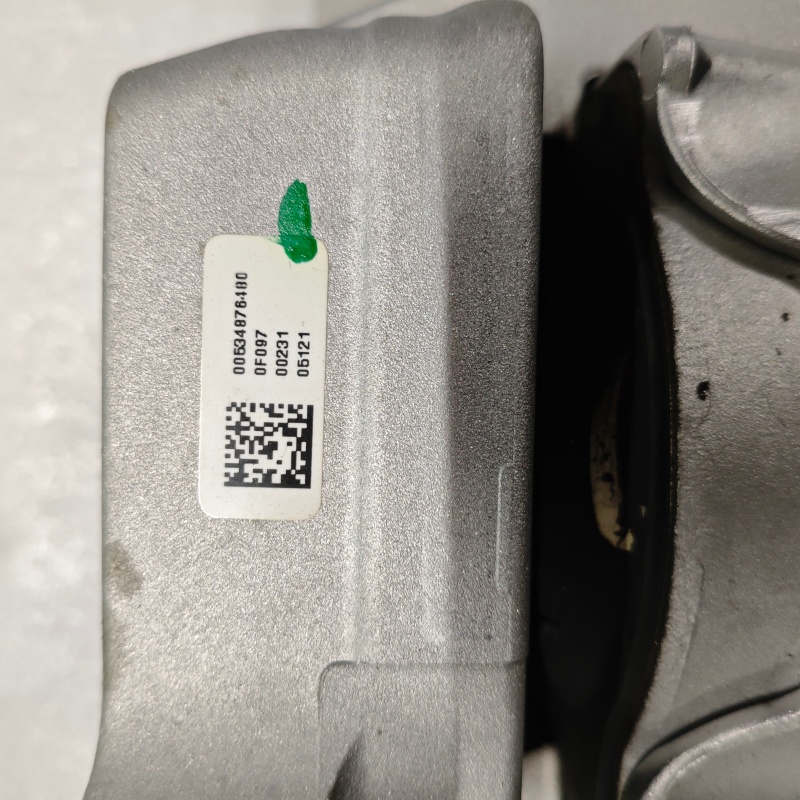
In the intricate network of components that constitute a manual transmission system, the Clutch Disengage Fork Pivot serves as a fundamental yet critical element. Its primary function is to provide a precise and stable fulcrum point for the clutch release fork. When the clutch pedal is depressed, hydraulic or cable force actuates the fork, which then rotates or pivots on this component. This leveraged movement is what translates the driver’s input into the physical displacement of the clutch release bearing, ultimately disengaging the clutch disc from the flywheel to enable smooth gear changes.
The design and integrity of the pivot are paramount for accurate clutch operation. Typically a hardened pin or stud, it is engineered to withstand significant shear forces and repetitive stress without deformation. A worn or damaged Clutch Disengage Fork Pivot can introduce slop and misalignment in the linkage, leading to imprecise fork movement. This often manifests as inconsistent clutch pedal feel, difficulty in shifting gears, incomplete clutch disengagement causing grinding, or even premature failure of the release bearing and fork itself.
For any vehicle undergoing clutch repair or maintenance, inspecting the condition of this pivot point is a recommended practice. Replacing a worn pivot with a high-quality, OEM-specification part ensures the clutch system operates with the intended geometry and efficiency. It restores the direct, mechanical connection between pedal and clutch, safeguarding the performance and longevity of the entire assembly. Therefore, while small in size, this component plays an indispensable role in delivering precise control and reliable power transfer in manual transmission vehicles.