Exhaust Pressure Sensor
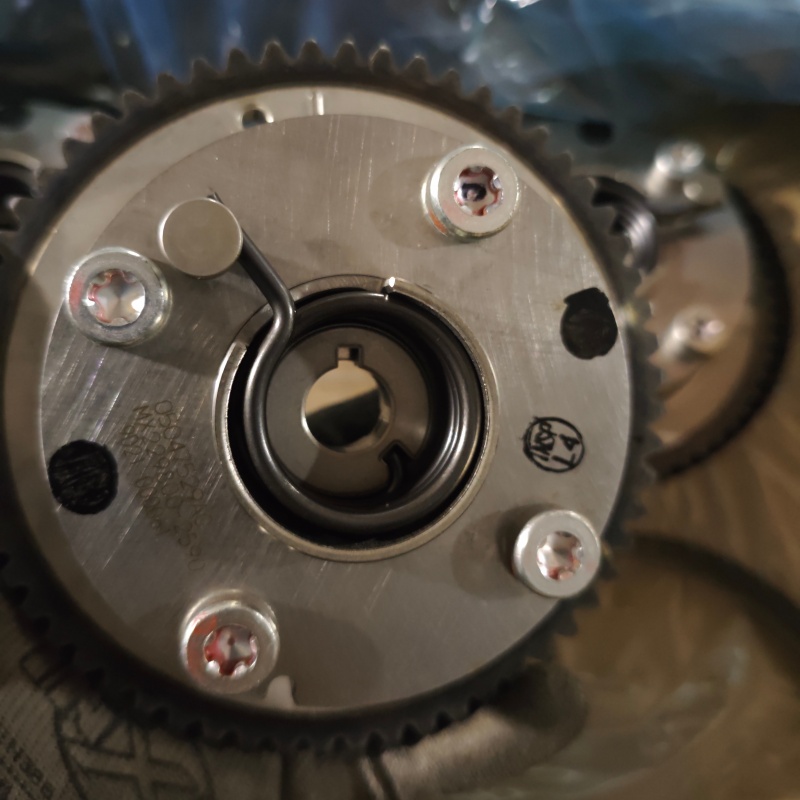
In modern vehicle emission control systems, the Exhaust Pressure Sensor is a critical component for ensuring both regulatory compliance and optimal engine performance. This sophisticated sensor is strategically located within the exhaust system, typically before or after the Diesel Particulate Filter (DPF) in diesel engines. Its primary function is to continuously monitor the pressure levels of exhaust gases. By providing real-time data to the Engine Control Unit (ECU), it plays an indispensable role in the management of exhaust aftertreatment processes.
The data from this sensor is essential for the accurate regeneration cycles of the DPF. It helps the ECU determine when the filter is becoming saturated with soot and initiates a regeneration process to burn off the accumulated particles. Furthermore, the exhaust pressure sensor aids in monitoring the overall health of the exhaust system. A significant pressure drop or buildup can indicate issues such as blockages, leaks, or a failing turbocharger. When the sensor detects readings outside the normal range, it triggers a diagnostic trouble code (DTC), illuminating the check engine light and alerting the driver to a potential problem.
A faulty exhaust pressure sensor can lead to a cascade of issues, including poor fuel economy, reduced engine power, failed emissions tests, and even permanent damage to the expensive DPF. Symptoms of a failing sensor often include persistent warning lights, limp mode activation, or black smoke from the exhaust. Therefore, using a high-quality, precisely calibrated replacement sensor is crucial for restoring system integrity. For any vehicle experiencing emission-related faults or performance loss, diagnosing and replacing a compromised exhaust pressure sensor is a fundamental step in effective repair and maintenance.