The Oil-Water Separator Vent Pipe is a critical component in a vehicle’s emissions control and crankcase ventilation system. Its primary function is to route gases and vapors from the oil-water separator, or crankcase ventilation (CCV) system, back into the engine’s intake for combustion. This process is essential for maintaining engine efficiency, reducing emissions, and preventing the buildup of harmful pressure within the crankcase.
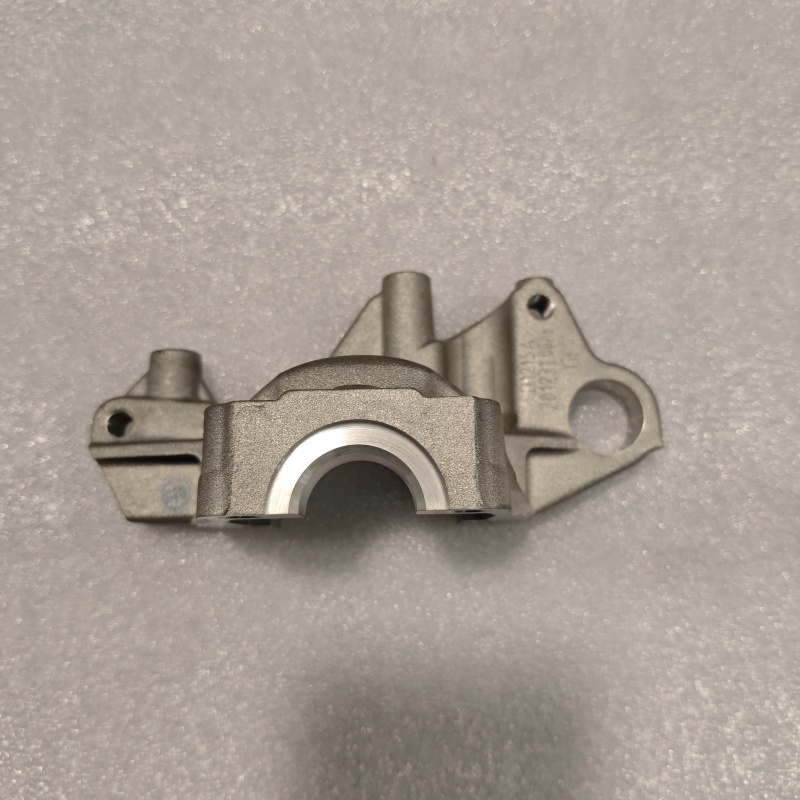
During engine operation, blow-by gases, which contain unburned fuel, water vapor, and oil mist, escape past the piston rings into the crankcase. The oil-water separator condenses these vapors, allowing oil and water to drain back, while the remaining gases need to be vented. The vent pipe provides the dedicated pathway for these gases. It ensures they are efficiently directed into the intake manifold, where they are burned off during the combustion cycle. This closed-loop system helps minimize oil contamination and sludge formation while reducing the release of hydrocarbons into the atmosphere.
A faulty or clogged vent pipe can lead to several engine problems. Blockages may cause excessive crankcase pressure, resulting in oil leaks from seals and gaskets. It can also allow oil vapors to be drawn into unintended areas, contaminating sensors or the air intake system. Therefore, ensuring this component is clean, intact, and properly connected is vital for optimal engine performance and longevity. When replacing or servicing the crankcase ventilation system, inspecting the Oil-Water Separator Vent Pipe for cracks, brittleness, or blockages is a recommended best practice. This simple component plays an indispensable role in keeping your engine running cleanly and efficiently.