In the intricate network of an automotive fuel system, the Rubber Hose On The Fuel Pipe serves as a critical yet often underappreciated component. This flexible connector acts as a secure and reliable bridge between rigid metal fuel lines and other system parts, such as the fuel pump, filter, or engine inlet. Its primary function is to absorb vibrations, accommodate minor engine movement, and compensate for thermal expansion, thereby preventing stress fractures and leaks in the solid piping. Without this resilient intermediary, the constant hum and shake of a running engine would quickly lead to metal fatigue and hazardous fuel seepage.
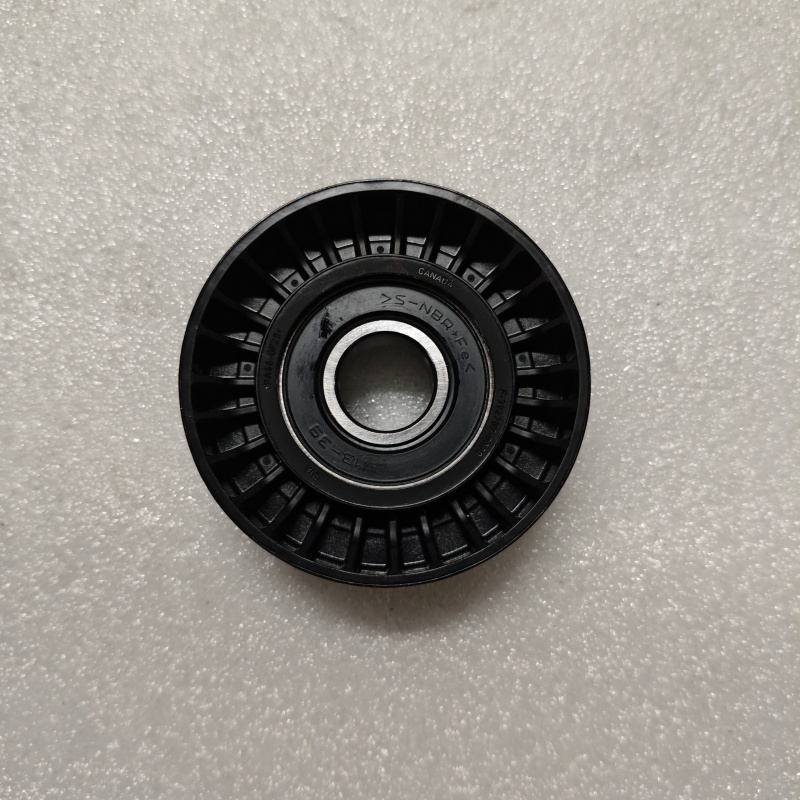
Modern fuel hose construction is engineered for durability and safety. It typically consists of a synthetic rubber compound, such as Nitrile (NBR) or Fluoroelastomer (FKM), designed to resist degradation from contemporary fuel blends, ethanol, and varying temperatures. An internal reinforcement layer, often textile or braided, provides added strength to withstand system pressure. When selecting a replacement, it is paramount to choose a hose specifically rated for fuel injection systems if applicable, as these operate under significantly higher pressure than carbureted systems. Using an incorrect type can lead to premature failure.
Regular inspection of the Rubber Hose On The Fuel Pipe is essential for preventative maintenance. Look for signs of cracking, brittleness, swelling, or any fuel odor. Any indication of wear necessitates immediate replacement to ensure system integrity. A compromised hose poses a direct fire risk and can lead to poor engine performance, stalling, and increased emissions. By ensuring this component is in optimal condition, you safeguard the vehicle’s performance, fuel efficiency, and overall safety, making it a simple but vital aspect of responsible vehicle care.