The Low-Pressure Air Conditioning Pipe is a critical component within your vehicle’s climate control system, responsible for carrying refrigerant in its gaseous state. This specific pipe forms the essential return path, transporting low-pressure, warm refrigerant vapor from the evaporator core located inside your dashboard back to the compressor in the engine bay. Its function is fundamental to completing the refrigeration cycle, allowing the system to continuously absorb heat from the passenger cabin.
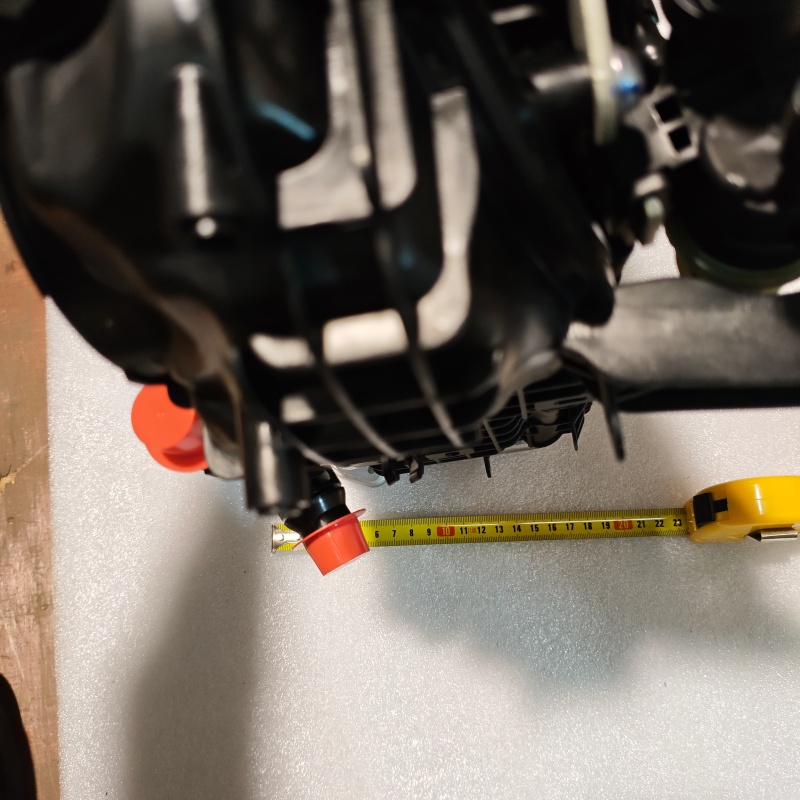
Constructed from durable materials such as rubber or composite hoses reinforced with braided nylon or polyester, this pipe is designed to withstand vibration, temperature fluctuations, and exposure to underhood elements. It is typically larger in diameter than its high-pressure counterpart to accommodate the lower-density refrigerant gas. The integrity of this component is paramount; even a minor leak or a soft spot can lead to a significant loss of refrigerant, causing the entire air conditioning system to fail. Symptoms of a failing low-pressure pipe include diminished cooling performance, visible signs of oil seepage around the fittings, or audible hissing noises.
When replacement is necessary, it is crucial to select a pipe that meets or exceeds the original equipment specifications for material quality, diameter, and fitting compatibility. Proper installation by a qualified technician, followed by a professional evacuation and recharge of the system, ensures optimal performance, fuel efficiency, and long-term reliability of your vehicle’s air conditioning.