Air Conditioning Temperature Sensor
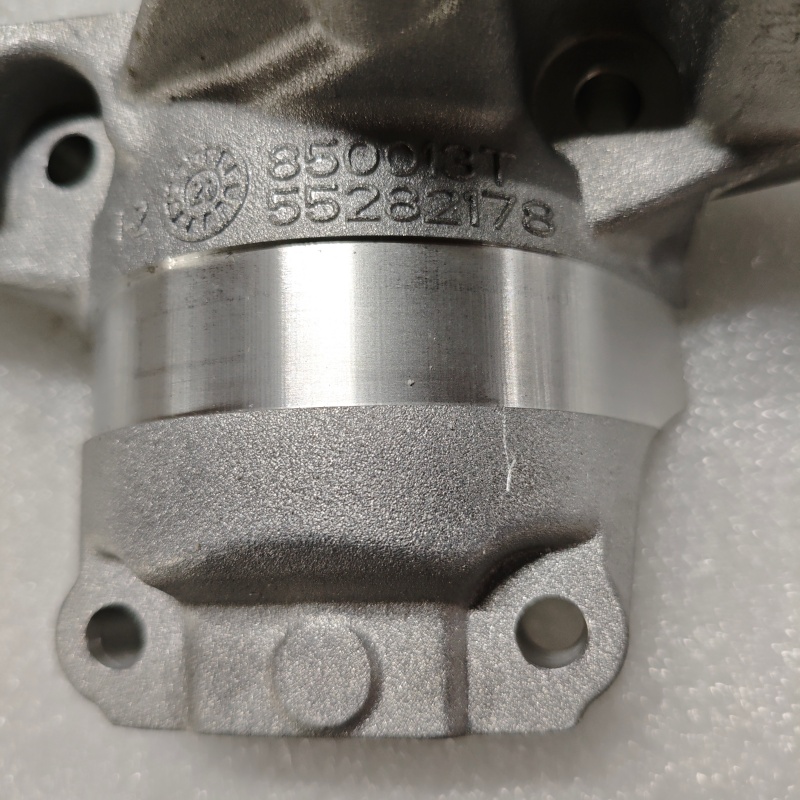
In modern vehicle climate control systems, precision is paramount for both comfort and efficiency. The Air Conditioning Temperature Sensor is a critical electronic component that enables this precision by continuously monitoring the temperature of the air inside the cabin. Typically located within the dashboard or near the HVAC control unit, this sensor acts as the primary feedback device for the vehicle’s automatic climate control system.
Its core function is to provide real-time data to the car’s climate control module or ECU. When you set a desired temperature on your dashboard, the system compares this setting with the actual cabin temperature readings from the sensor. If the cabin air is warmer than the selected temperature, the ECU signals the A/C compressor to engage and cool the air. Conversely, if the cabin is too cool, it may reduce A/C operation or activate the heating system. This constant feedback loop allows for maintaining a consistent, comfortable environment automatically.
A faulty or failing sensor can lead to a range of HVAC performance issues. Inaccurate readings may cause the automatic system to blow air that is too cold, too warm, or inconsistent. Symptoms often include poor temperature regulation, the system not responding correctly to adjustments, or the A/C compressor cycling erratically. This not only compromises passenger comfort but can also lead to unnecessary strain on the A/C components and reduced overall system efficiency.
Ensuring this sensor is functioning correctly is essential for the optimal performance of your vehicle’s air conditioning and heating system. When a malfunction occurs, replacing it with a high-quality, vehicle-specific sensor restores accurate temperature monitoring, allowing the climate control system to operate as designed, ensuring a comfortable drive and protecting other related components from potential wear.