The Main Gasoline Pump Gasoline Float is an integral component within a vehicle’s fuel delivery system, specifically housed inside the fuel tank. Its primary function is to accurately measure and monitor the fuel level, sending this critical data to the fuel gauge on the instrument cluster. This allows the driver to reliably know how much gasoline remains, preventing unexpected run-outs and ensuring efficient trip planning.
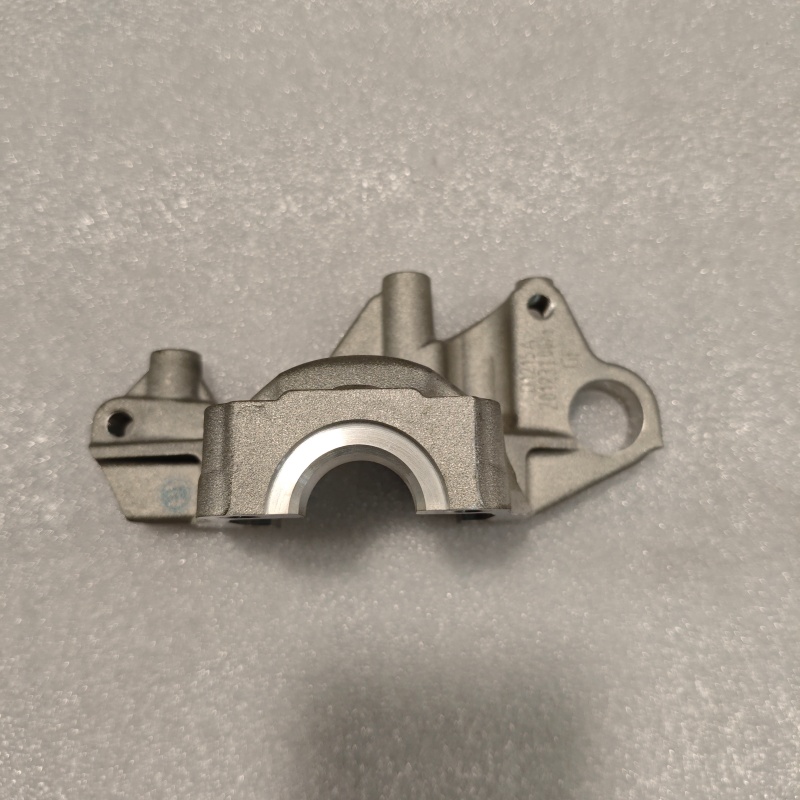
Operating on a simple yet effective principle, the float is typically a hollow, sealed device made from materials like foam or plastic that is buoyant in gasoline. It is attached to a thin metal arm connected to a variable resistor, or sending unit. As the fuel level rises and falls, the Main Gasoline Pump Gasoline Float moves correspondingly up and down. This movement changes the electrical resistance in the sending unit circuit, which is translated by the vehicle’s onboard computer into a precise reading for the dashboard gauge.
A malfunctioning float can lead to inaccurate fuel readings, such as a gauge that sticks on full, reads empty prematurely, or fluctuates erratically. Common failure points include a saturated foam float losing buoyancy, a punctured float, or wear in the attached arm mechanism. When issues arise, diagnosing and replacing the float assembly is crucial for restoring accurate fuel level monitoring. For optimal performance and safety, it is essential to use a high-quality, compatible replacement part designed for your specific vehicle make and model, ensuring a perfect fit and reliable operation within the fuel tank environment.