The modern vehicle interior is a carefully engineered ecosystem of comfort and safety, and a key component within this space is In The Rear Seat Headrest. Often overlooked, this element serves a dual purpose that extends far beyond mere passenger comfort. Primarily, it is a critical safety device designed to mitigate whiplash injuries during rear-end collisions. By providing support and limiting the excessive backward motion of the head, the rear seat headrest plays an indispensable role in occupant protection for all passengers.
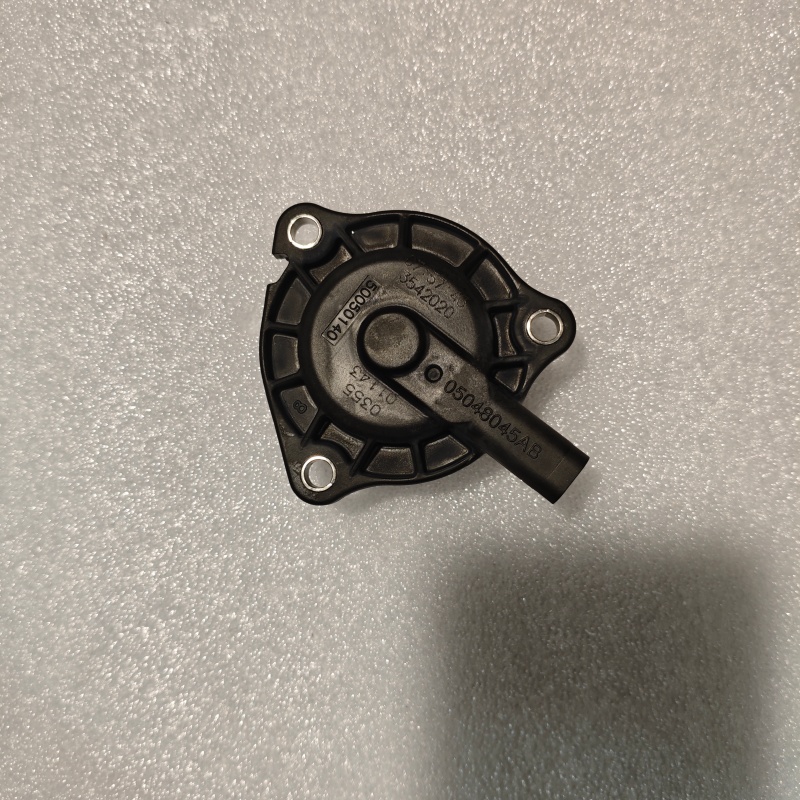
Beyond its safety function, the headrest in the rear seat is fundamental to passenger comfort on long journeys. It allows occupants to relax and maintain a neutral posture, reducing fatigue. Modern iterations often integrate advanced features, transforming this component into a hub of convenience. It is common to find headrests with built-in mounts for entertainment screens, providing personalized viewing for rear-seat passengers. Some designs incorporate utility hooks, pockets, or even integrated USB charging ports, enhancing the overall travel experience.
When selecting or replacing this component, compatibility is paramount. Factors such as mounting style, height and angle adjustability, and material upholstery must align with the specific vehicle make and model to ensure a seamless fit and proper function. A well-chosen headrest not only maintains the aesthetic continuity of the cabin but also upholds the vehicle’s safety standards. Therefore, understanding the importance of the component in the rear seat headrest is essential for both vehicle owners and manufacturers, highlighting its role as a vital piece of automotive interior design that seamlessly blends protection, comfort, and technology.