The solenoid valve turbocharger represents a significant advancement in forced induction technology, offering precise control over turbocharger performance and engine efficiency. This integrated component combines a traditional turbocharger with an electronically controlled solenoid valve. The primary function of this system is to intelligently manage the flow of exhaust gases to the turbocharger’s turbine wheel.
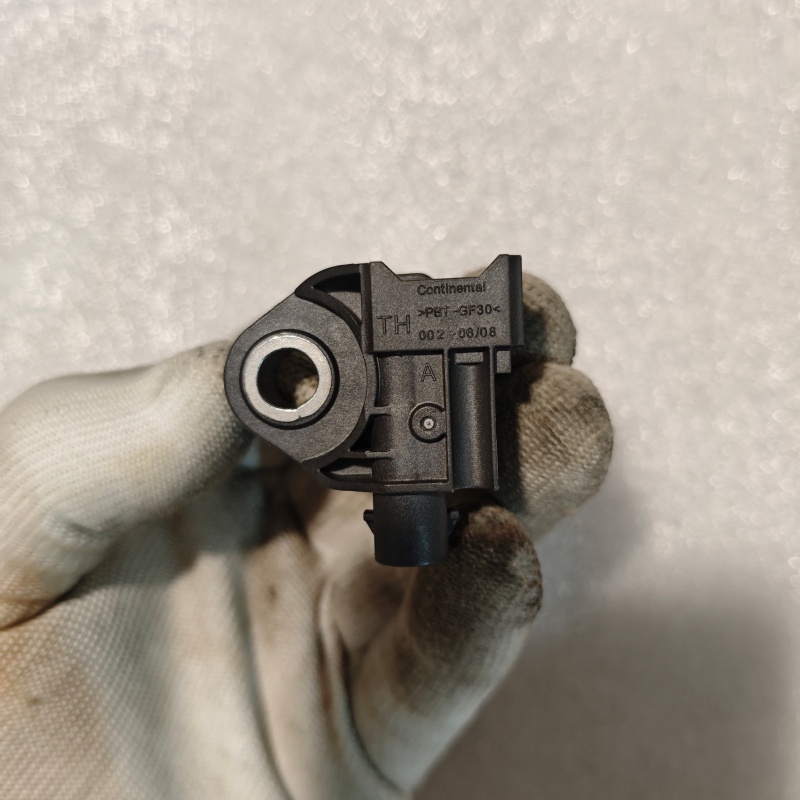
In a conventional setup, wastegate control can be mechanical or pneumatic. The Solenoid Valve Turbocharger, however, utilizes an electronic solenoid valve that receives real-time data from the Engine Control Unit (ECU). Based on parameters like engine speed, load, and throttle position, the ECU sends rapid signals to the solenoid. This valve then precisely modulates the pressure acting on the wastegate actuator. This allows for extremely accurate control of the wastegate’s opening and closing, directly regulating the boost pressure generated by the turbocharger.
The benefits for vehicle performance and drivability are substantial. This precise control minimizes turbo lag, providing smoother and more immediate power delivery. It also enables optimal boost levels across a wider range of engine speeds, enhancing low-end torque and overall drivability. Furthermore, by ensuring the turbocharger operates at its most efficient point, it can contribute to improved fuel economy and reduced emissions under various driving conditions. For modern engines, this component is key to achieving a balance between powerful performance, responsiveness, and environmental efficiency. It is a critical upgrade for enthusiasts and a vital OEM part for manufacturers aiming to meet stringent performance and emissions targets.