Interface Pad Double Empty represents a significant advancement in vehicle vibration management and component protection. This specialized automotive component is engineered as a dual-layer isolation system, typically constructed from high-grade, compressible materials such as closed-cell foam or rubber composites. Its primary function is to create a controlled, empty interface—a buffer zone—between two rigid surfaces, most commonly between a vehicle’s body and auxiliary components like bushings, brackets, or certain engine and exhaust mounts.
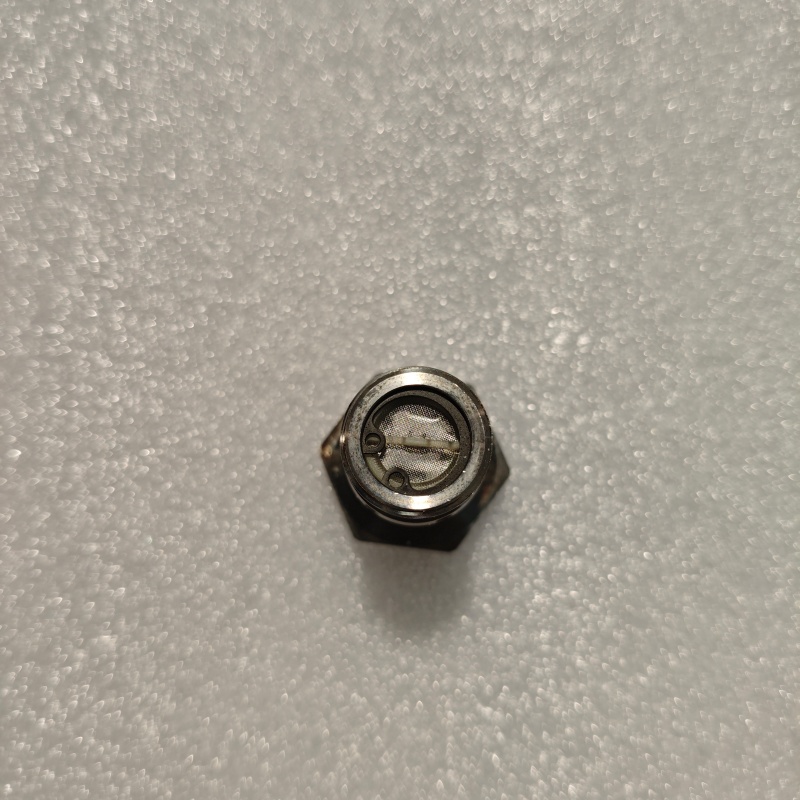
The "double empty" design is crucial. It doesn’t merely fill a gap; it provides two dedicated isolation planes that effectively dampen and absorb oscillating forces. This targeted absorption reduces noise, harshness, and vibration (NVH) transmitted into the cabin, leading to a noticeably quieter and more comfortable driving experience. Furthermore, by mitigating direct metal-to-metal contact and distributing load stress, it prevents premature wear, corrosion, and fatigue in connected parts, thereby extending their service life.
For automotive enthusiasts and professionals sourcing parts, understanding this product’s role is key. It is often an essential, yet overlooked, element in suspension overhauls, engine mount replacements, or accessory installations. When selecting an Interface Pad Double Empty, compatibility with specific vehicle models and the environmental conditions it will face—such as temperature extremes and exposure to fluids—is paramount. Correct installation ensures the system performs as intended, safeguarding both vehicle integrity and passenger comfort through intelligent, empty-space engineering.