The Steering Wheel Fastening Nut is a critical, yet often overlooked, component in a vehicle’s steering assembly. This specialized fastener is responsible for securing the steering wheel firmly to the steering column shaft. Its primary function is to maintain a rigid and precise connection between the driver’s input and the vehicle’s steering mechanism, ensuring direct control and responsive handling.
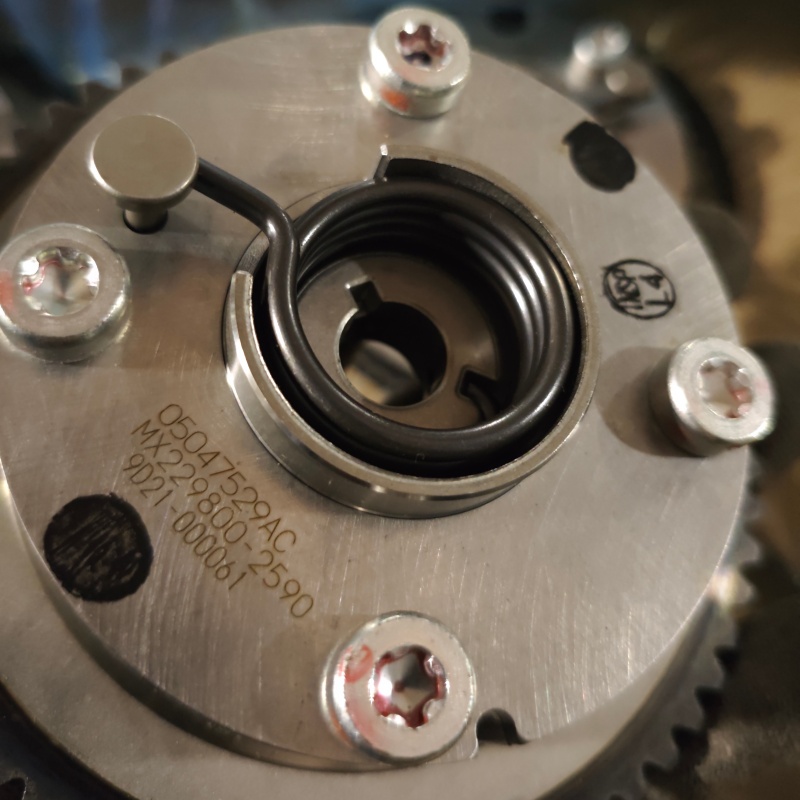
Constructed from high-strength materials such as hardened steel or alloy, this nut is engineered to withstand constant torsion, vibration, and stress over the vehicle’s lifetime. It is typically a flange nut or incorporates a prevailing torque feature, often with a nylon insert or deformed threads, to prevent any risk of loosening due to vibration—a critical safety requirement. The precise threading matches the column shaft perfectly to eliminate play.
A properly torqued Steering Wheel Fastening Nut is paramount for vehicle safety. If loose, it can lead to excessive steering wheel play, a disconcerting lack of control, or in extreme cases, a complete detachment of the steering wheel. Conversely, over-tightening can damage the steering column threads or the wheel itself. Therefore, installation always requires a calibrated torque wrench to meet the manufacturer’s exact specification.
When replacing a steering wheel or performing column service, using a new, OEM-specified nut is highly recommended. This ensures optimal clamping force, retains the designed anti-loosening properties, and guarantees the integrity of this vital safety link. For any enthusiast or technician, understanding and respecting this small component is a fundamental part of maintaining safe and predictable steering dynamics.