Turbocharge-Intercooler systems represent a critical evolution in forced induction technology, directly addressing a fundamental challenge of turbocharging. When air is compressed by a turbocharger, its temperature rises significantly. This hot, less dense air contains fewer oxygen molecules per volume, which diminishes combustion efficiency and ultimately limits power gains. This is where the intercooler proves indispensable.
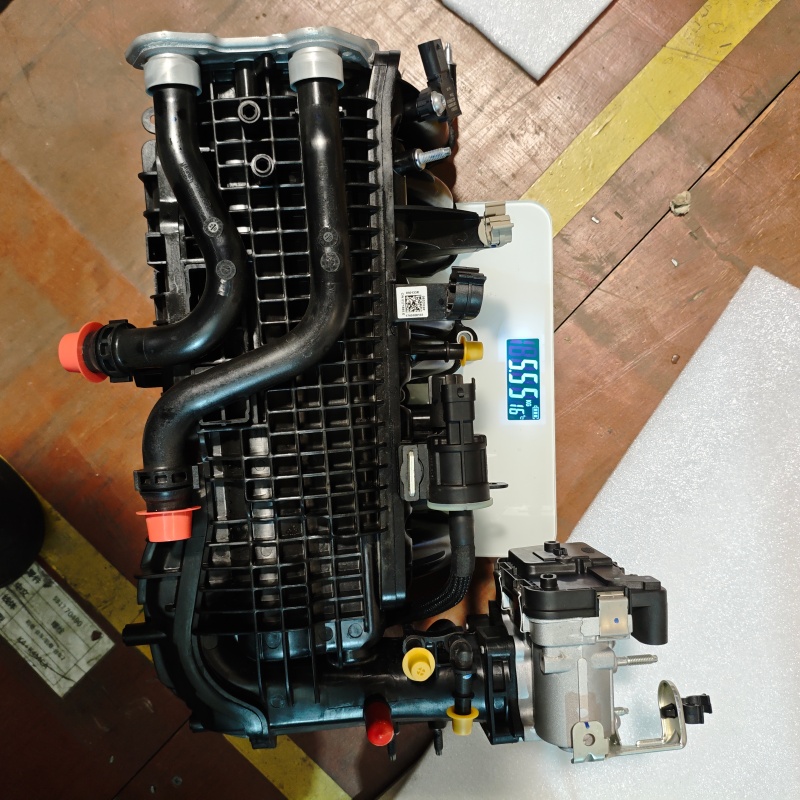
Strategically mounted within the vehicle’s airflow—typically at the front of the engine bay—the intercooler acts as a heat exchanger. As the pressurized, hot intake air passes through its internal finned tubes, ambient air or coolant (depending on the system type) draws the heat away. This process dramatically reduces the intake air temperature.
The benefits of a high-performance Turbocharge-Intercooler are substantial. Colder, denser air delivered to the engine cylinders allows for a more complete and powerful combustion event. This translates directly into increased horsepower and torque output. Furthermore, by lowering the temperature of the intake charge, it reduces the engine’s tendency to knock or detonate, enabling more aggressive tuning and improving overall engine reliability under stress. A cooler, denser charge also promotes better fuel efficiency when driven under normal conditions.
For any turbocharged vehicle, upgrading the intercooler is one of the most effective modifications to unlock consistent power, improve throttle response, and support the longevity of the engine. It is the essential partner to the turbocharger, ensuring that compressed air translates into clean, sustainable performance.