In the realm of automotive drivetrain components, size is often a direct indicator of capability and durability. The Gearbox Differential Gear Is Large for a compelling set of engineering reasons, primarily centered on managing immense torque and ensuring long-term reliability. This critical component sits at the heart of the differential assembly, responsible for transferring power from the driveshaft to the axle shafts while allowing wheels to rotate at different speeds, especially during turns.
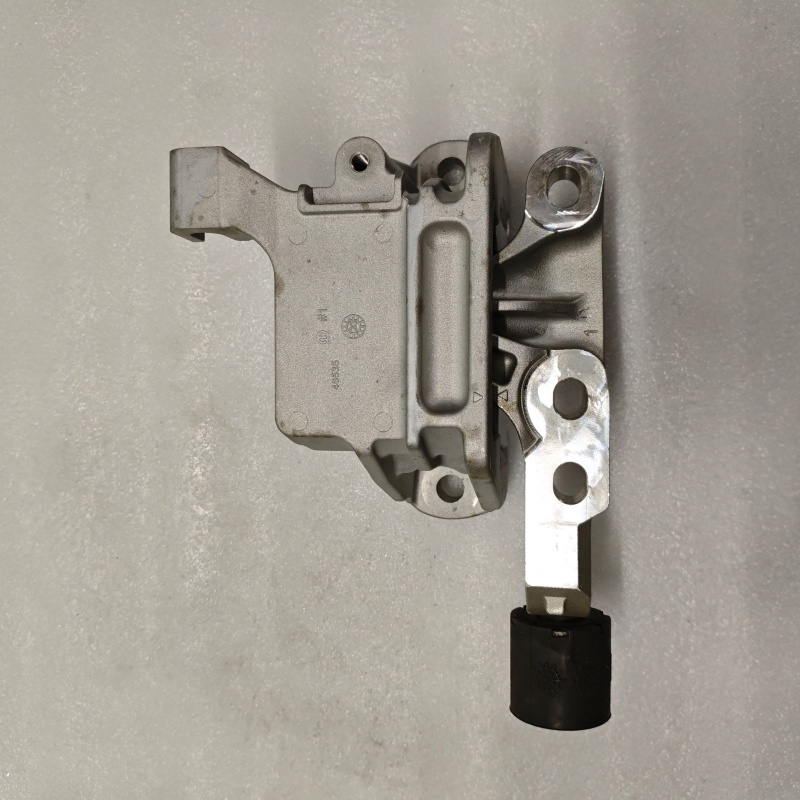
The substantial size of this gear directly correlates with its strength. A larger gear can be manufactured with more material in its teeth and core, significantly increasing its shear strength and resistance to the high-stress forces generated by acceleration, heavy loads, or towing. This robust construction minimizes the risk of tooth deformation or catastrophic failure, which is paramount for performance vehicles, commercial trucks, and off-road applications. Furthermore, the increased surface area of the gear teeth allows for a broader, more efficient distribution of contact pressure and heat during operation. This reduces localized wear and tear, extends service life, and contributes to smoother power delivery.
For customers seeking a replacement or an upgrade, selecting a unit featuring a large differential gear is an investment in resilience. It signifies a design philosophy prioritizing endurance over minimal weight, ensuring the drivetrain can handle elevated power levels and demanding driving conditions. When reviewing specifications for your vehicle, the physical dimensions and material quality of this particular gear are key factors in predicting the overall robustness and performance ceiling of the entire differential assembly.