A persistent "After The Transfer Case Shell Rub" condition is a serious symptom indicating a critical failure within the transfer case assembly. This issue occurs when internal components, such as worn chain guides, failing bearings, or imbalanced driveshafts, create excessive play. This movement causes rotating parts to physically contact and abrade the internal walls of the aluminum transfer case shell. The result is not merely noise; it is a progressive failure that contaminates the entire system with metallic debris, accelerating wear on gears, seals, and the chain itself. Left unaddressed, this grinding action can wear through the casing, leading to catastrophic fluid loss and complete transfer case seizure, resulting in a total loss of four-wheel or all-wheel drive capability and potential vehicle immobility.
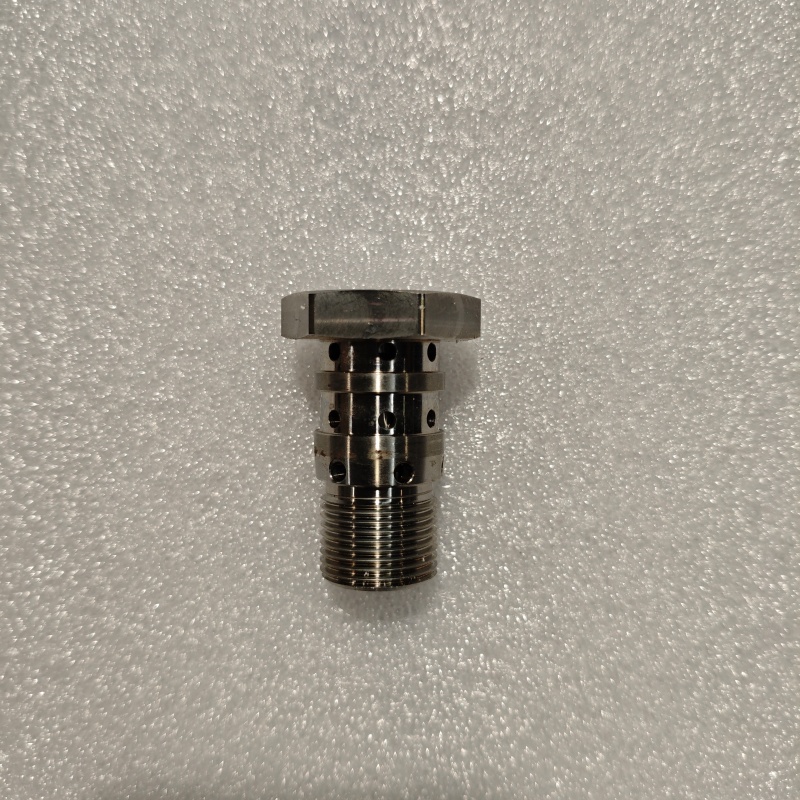
Addressing an "After The Transfer Case Shell Rub" diagnosis requires immediate and thorough intervention. A simple fluid change is insufficient, as the root cause is mechanical. The repair process must begin with a complete transfer case teardown and inspection. The housing itself must be meticulously examined for scoring, grooving, or structural weakness. Typically, the solution involves replacing the damaged shell alongside a comprehensive rebuild kit. This kit should include new bearings, seals, chain, chain guides, and any gears showing abnormal wear. Using premium, OEM-specification replacement parts is paramount to restore proper internal clearances and prevent a recurrence. For vehicles subjected to severe duty, upgrading to reinforced aftermarket components can offer enhanced durability. Promptly servicing this condition ensures the longevity and reliability of your drivetrain, restoring safe and full functionality to your vehicle’s 4WD or AWD system.