Steering Tie Lever Adjustment Lever
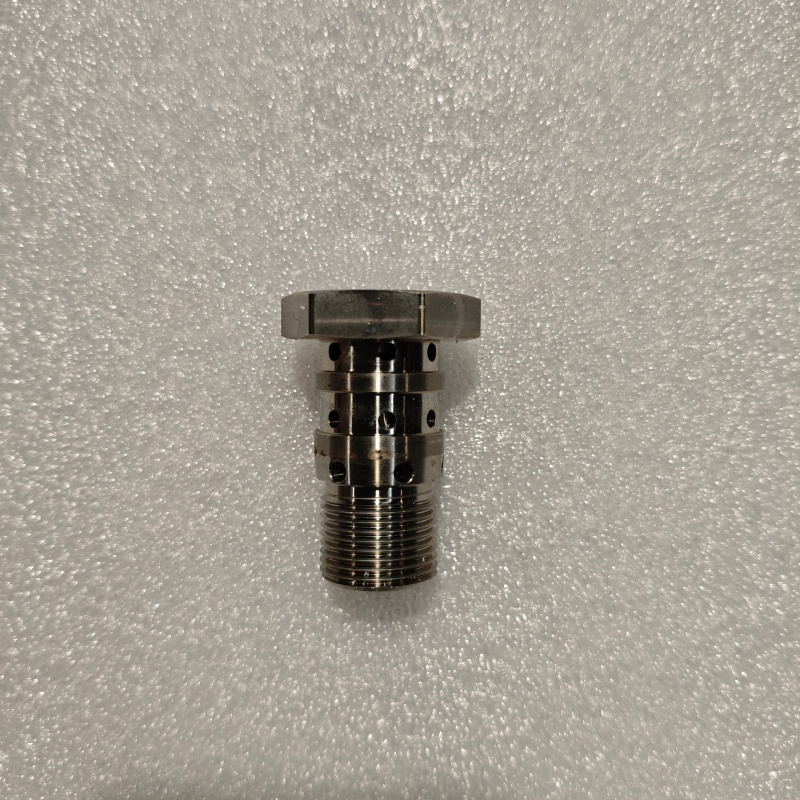
The steering tie lever adjustment lever is a critical, though often overlooked, component within a vehicle’s steering linkage system. Its primary function is to provide a precise and secure means of adjusting the toe angle of the front wheels. Proper toe alignment is essential for ensuring directional stability, reducing uneven tire wear, and optimizing overall handling and safety.
Typically constructed from high-strength forged steel or alloy, this lever is engineered to withstand significant stress and torsional forces encountered during driving. It connects the tie rod to the steering rack or center link, featuring threaded ends or a turnbuckle-style design that allows for incremental length adjustments. By rotating the adjustment lever, technicians can effectively lengthen or shorten the tie rod assembly, thereby setting the wheels to the vehicle manufacturer’s exact specifications.
A worn, damaged, or seized Steering Tie Lever Adjustment Lever can lead to several problematic symptoms. These include persistent vehicle pulling to one side, excessive play or looseness in the steering feel, and rapid, feathered edge tire wear. During routine maintenance or suspension service, it is crucial to inspect this component for signs of corrosion, thread damage, or bending. Replacement units must meet or exceed original equipment standards to ensure durability and maintain correct steering geometry.
When installing a new adjustment lever, it is vital to follow proper torque procedures and to finalize the adjustment with a professional wheel alignment. This ensures all steering components work in harmony, restoring precise control and driving confidence. For vehicle owners and technicians, understanding the role and maintenance of this precise adjustment part is key to preserving the integrity of the entire steering system.