Front License Plate Us Specification is a critical compliance standard for vehicle owners and automotive parts manufacturers across the United States. While federal law does not mandate a national front plate requirement, individual states possess the authority to establish their own regulations. Currently, over thirty states, including populous ones like California, New York, Texas, and New Jersey, require vehicles to display both a front and a rear license plate. Failure to adhere to this specification can result in fines, penalties, or failed vehicle inspections.
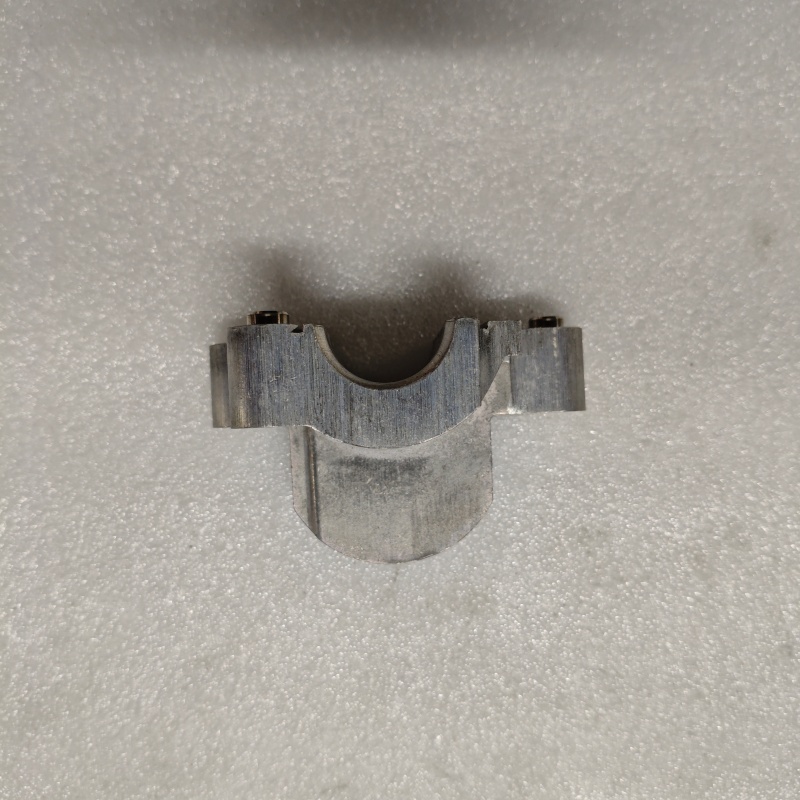
The core elements of the Front License Plate Us Specification typically dictate the precise mounting location, usually centered on the vehicle’s front bumper, and mandate specific dimensions for the plate holder or bracket to accommodate the standard 12-inch by 6-inch license plate. These regulations ensure the plate is clearly visible, unobstructed by accessories, and securely attached to prevent hazards. For automotive accessory websites, offering products that meet these specifications is not merely a suggestion but a fundamental necessity. It involves providing vehicle-specific mounting brackets, tow hook adapters, and no-drill solutions that align precisely with state laws and vehicle model designs.
Understanding and implementing the correct Front License Plate Us Specification is essential for ensuring customer satisfaction and legal compliance. Products advertised as compliant provide peace of mind to buyers, guaranteeing that their vehicle meets regional legal standards without compromising the vehicle’s aesthetics or requiring irreversible modifications. Therefore, when selecting a front license plate bracket or mount, verifying its adherence to the relevant state’s specific requirements is a crucial step for every responsible vehicle owner.