Transmission Oil Pressure Sensor: A Critical Guardian for Your Automatic Transmission
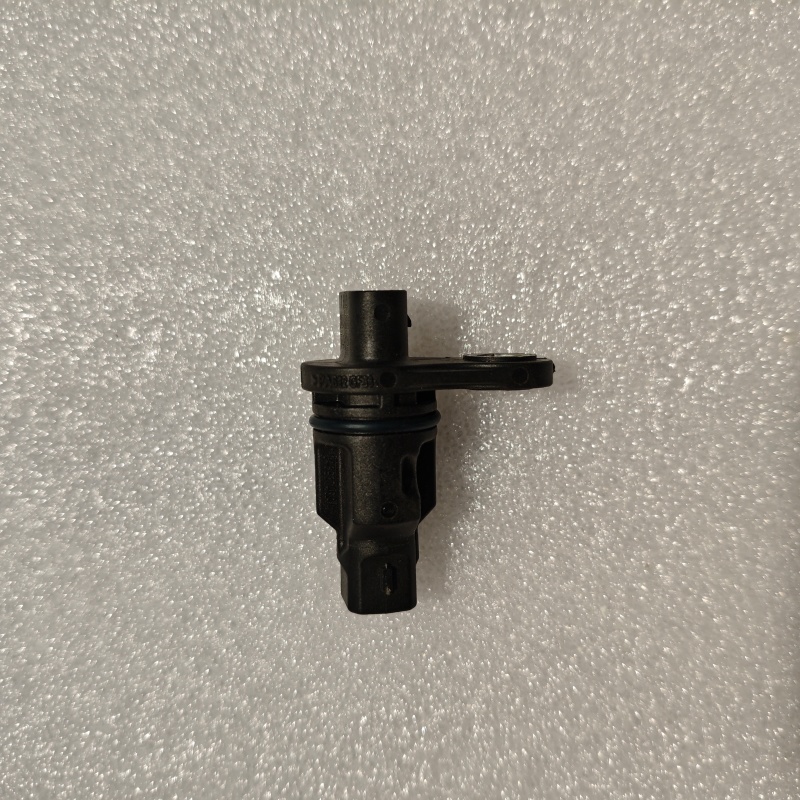
The seamless operation of an automatic transmission is a complex dance of hydraulic pressure and electronic control. At the heart of this system lies a small but vital component: the Transmission Oil Pressure Sensor. This electronic device acts as the transmission’s pressure gauge, constantly monitoring the hydraulic pressure of the transmission fluid.
Its primary function is to provide real-time data to the vehicle’s Transmission Control Module (TCM) or Engine Control Unit (ECU). This information is crucial for the precise control of shift timing, shift quality, and torque converter clutch lockup. When you accelerate, the TCM uses the sensor’s pressure readings to determine the optimal moment and firmness for gear changes, ensuring smooth and efficient power delivery. It also plays a key role in regulating line pressure, which is fundamental for clutch and band application within the transmission assembly.
A failing sensor can lead to a cascade of performance issues. Common symptoms include harsh or erratic shifting, transmission slippage, hesitation on acceleration, and the inevitable illumination of the check engine light. In many modern vehicles, the computer may even trigger a "fail-safe" or limp mode, locking the transmission into a single gear to prevent damage, severely limiting drivability.
Therefore, maintaining a fully functional transmission oil pressure sensor is essential for the longevity and performance of your transmission. It ensures that the vehicle’s computer has the accurate data needed to make split-second decisions, protecting internal components from wear due to incorrect pressure. For any automatic transmission experiencing shift-related problems, this sensor should be among the first components diagnosed by a professional.