Transmission Gear Switch
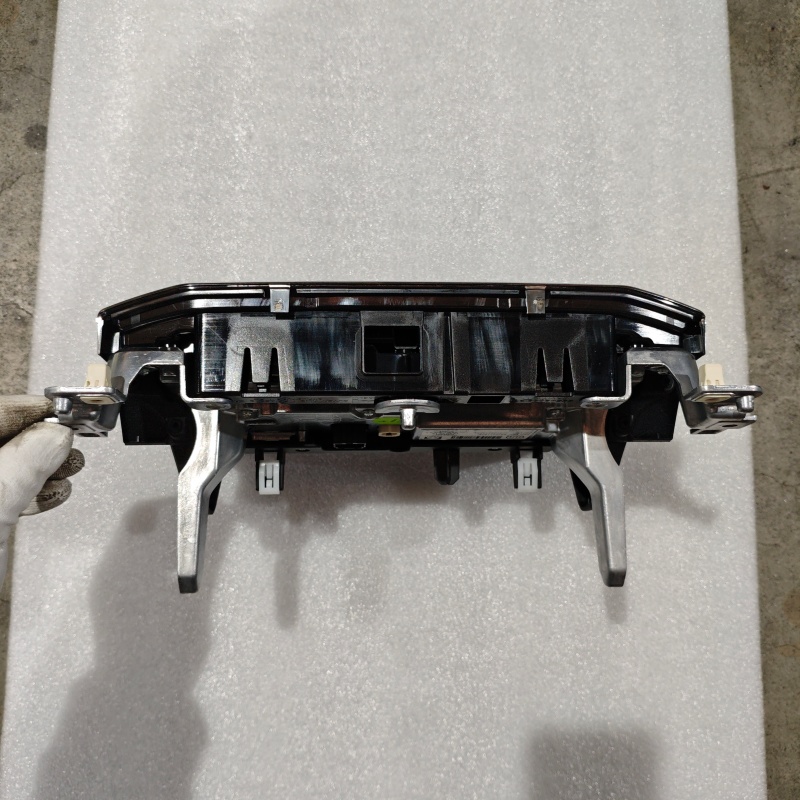
In the intricate network of a modern vehicle’s drivetrain, precise control is paramount. The Transmission Gear Switch serves as a critical communication gateway between the driver’s intent and the transmission control module (TCM). This electronic sensor, often located on the transmission casing or the shift lever assembly, is responsible for accurately relaying the selected gear position—whether Park, Reverse, Neutral, or Drive—to the vehicle’s central computer.
A properly functioning Transmission Gear Switch ensures seamless and safe operation. It enables the TCM to make informed decisions regarding shift timing, torque converter lockup, and starter interlock functions. For instance, it prevents the engine from starting in any gear other than Park or Neutral, a fundamental safety feature. When this switch fails or sends erroneous signals, drivers may experience a range of issues. These can include the inability to start the vehicle, incorrect gear display on the instrument cluster, harsh or irregular shifting, and even the illumination of the check engine light. In some cases, the transmission may default to a "limp" mode, restricting performance to prevent further damage.
For any automotive repair enthusiast or professional technician, recognizing the symptoms of a faulty Transmission Gear Switch is essential. Replacing a worn or damaged switch is typically a straightforward procedure that restores the vital electronic dialogue within the powertrain. Using a high-quality, vehicle-specific switch is crucial for ensuring longevity, reliable performance, and the safe, smooth operation of the transmission system. This small but mighty component is fundamental to the automated intelligence of today’s driving experience.