Connect The Fuel Pump To The Fuel Pipe correctly is a critical step in ensuring your vehicle’s fuel system operates safely and efficiently. This connection forms the vital link between the fuel reservoir and the engine, responsible for delivering pressurized fuel necessary for combustion. A proper, leak-free installation is paramount for both performance and safety.
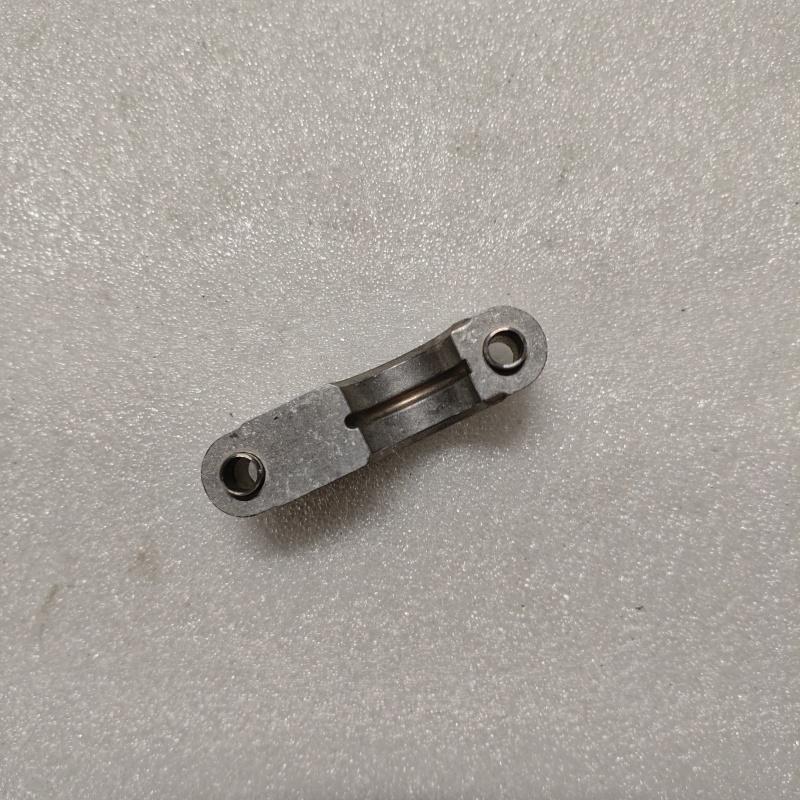
Before beginning, always ensure the vehicle is in a well-ventilated area, the ignition is off, and the battery is disconnected. Relieve any residual fuel pressure by following your vehicle’s specific service manual instructions. You will typically align the fuel pump’s outlet port with the fuel pipe, often using specific quick-connect fittings, threaded unions, or hose clamps with reinforced fuel line hose. It is crucial to use the manufacturer-specified seals, O-rings, or gaskets designed for fuel contact to prevent leaks. For quick-connect fittings, listen for a definitive click to confirm a secure lock. When using hose clamps, ensure the hose is seated fully on the barbed fitting and the clamp is tightened to the recommended specification.
A failed or improper connection can lead to dangerous fuel leaks, poor engine performance, stalling, or even a fire hazard. Always inspect the fuel pipe for cracks, brittleness, or wear and replace it if necessary. After installation, double-check all fittings before reconnecting the battery and restoring power. Start the engine and carefully inspect the entire connection point for any signs of seepage or drips under pressure. Taking the time to connect the fuel pump to the fuel pipe with precision guarantees optimal fuel delivery, protects your engine, and provides peace of mind for every journey.