The Solenoid Valve Intake Pipe is a critical component in modern vehicle air intake and emissions control systems. This integrated assembly combines the structural function of an intake air pipe with the precise electronic control of a solenoid valve. Typically positioned between the air filter housing and the intake manifold, its primary role is to manage and direct the flow of air or recirculated gases into the engine’s combustion chambers.
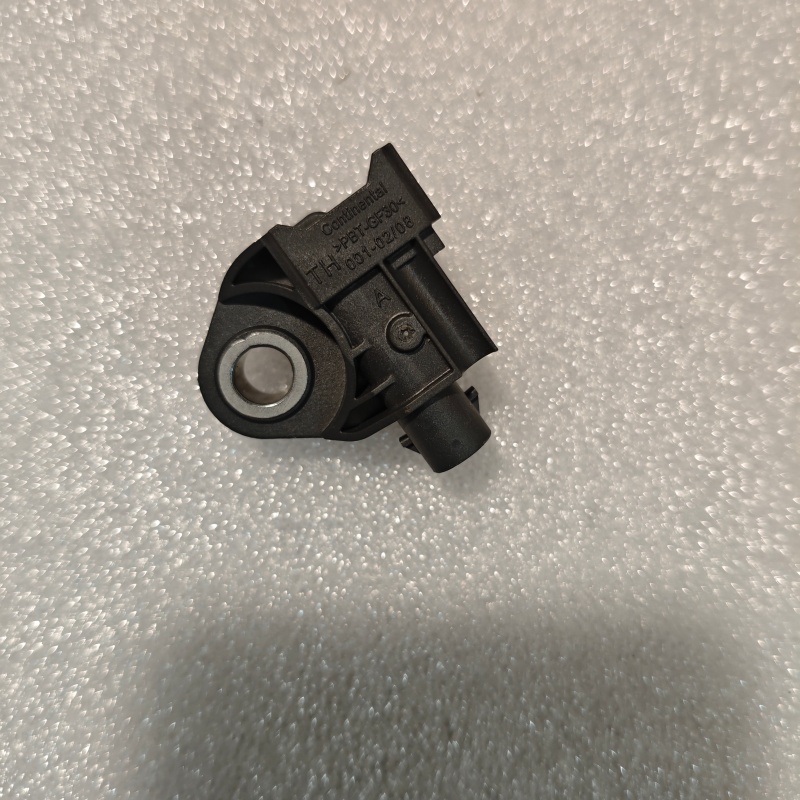
The solenoid valve embedded within the pipe is electronically controlled by the Engine Control Unit (ECU). Upon receiving signals, it rapidly opens or closes to regulate the intake of fresh air or exhaust gas recirculation (EGR). This precise modulation is essential for optimizing the air-fuel mixture under varying engine loads and speeds. Consequently, it plays a direct role in enhancing combustion efficiency, reducing harmful nitrogen oxide (NOx) emissions, and improving overall engine performance and fuel economy.
A faulty or leaking solenoid valve intake pipe can lead to a range of engine issues. Common symptoms include erratic idle, reduced power and acceleration, increased fuel consumption, and the triggering of the check engine light. Vacuum leaks from cracked pipes or malfunctioning valves allow unmetered air into the system, disrupting the carefully calibrated air-fuel ratio.
Manufactured from high-grade, heat-resistant plastics or composites, this component is designed to withstand the harsh under-hood environment of temperature extremes and constant vibration. When replacement is necessary, it is crucial to select a high-quality part that matches OEM specifications to ensure proper fit, reliable operation, and the maintenance of your vehicle’s emission standards and driving performance. Regular inspection during routine maintenance can help identify early signs of wear or damage.