Starter Fastening Bolts are a critical yet often overlooked component in a vehicle’s starting system. Their primary function is to securely mount the starter motor to the engine block or transmission housing. This seemingly simple task is fundamental to the reliable operation of the entire starting mechanism. A proper and rigid connection ensures optimal alignment between the starter motor’s pinion gear and the engine’s flywheel ring gear, allowing for smooth engagement and efficient transfer of rotational force to crank the engine.
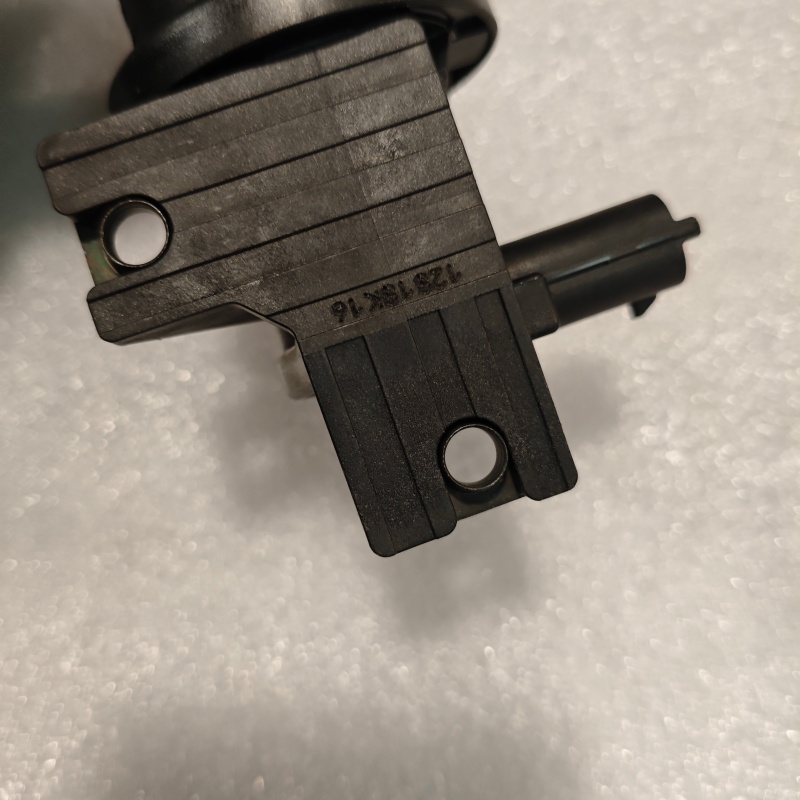
The consequences of failing or compromised starter bolts can be severe. Loose bolts lead to misalignment, causing poor starter engagement, grinding noises, and ultimately, damage to both the starter and the flywheel. In extreme cases, a completely detached starter motor can result in catastrophic engine damage. Therefore, these bolts are engineered to withstand immense shear stress, constant vibration, and thermal cycling within the harsh environment of the engine bay. They are typically manufactured from high-grade steel and often feature specific coatings to resist corrosion.
When replacing a starter motor, it is highly recommended to install new starter fastening bolts. Reusing old bolts is risky, as they may have stretched, become fatigued, or their threads may be worn, compromising their clamping force and torque specification. Always consult the vehicle manufacturer’s specifications for the correct bolt grade, thread pitch, length, and most importantly, the proper torque procedure. Using the correct bolts and tightening them to the exact specification is not a suggestion—it is a requirement for safety, performance, and longevity. Investing in high-quality, application-specific starter bolts is a small but vital step in any starting system repair or maintenance.