The increasing electrification of modern vehicles has brought new engineering priorities to the forefront, with thermal management standing as a critical pillar of safety, performance, and longevity. On The Battery Heat Shield plays a non-negotiable role in this system. Designed as a protective barrier, it is installed between a vehicle’s high-voltage traction battery pack and other major heat sources, most commonly the exhaust system. Its primary function is to deflect and manage radiant and convective heat, ensuring the battery operates within its optimal temperature window.
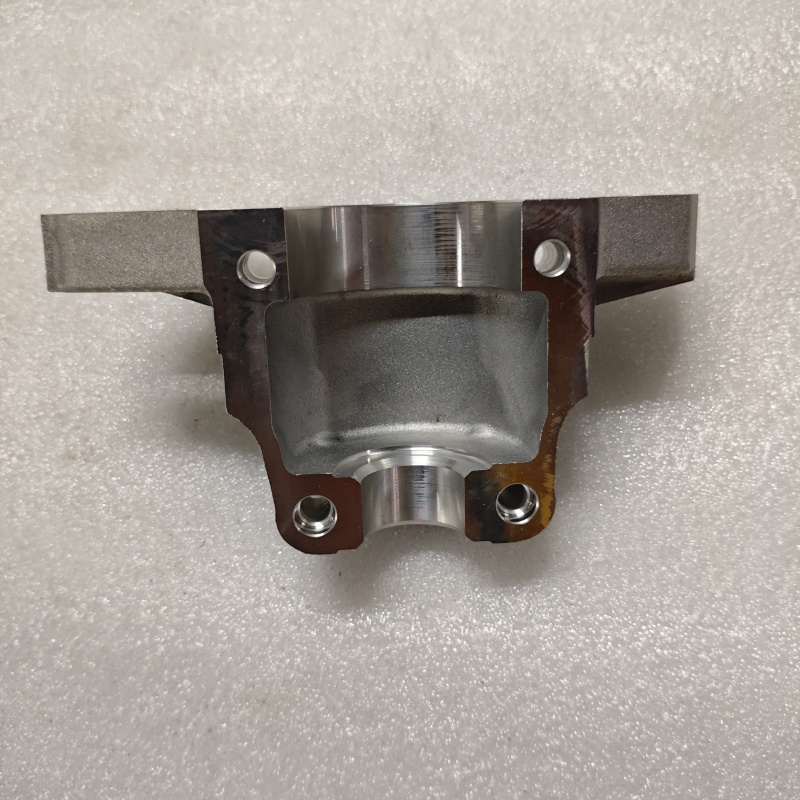
Excessive heat is a formidable enemy of lithium-ion batteries. Prolonged exposure to high temperatures can accelerate chemical degradation, leading to reduced charge capacity, shorter driving range, and a significantly diminished overall lifespan. More critically, effective thermal insulation is a key safety feature, helping to prevent thermal runaway scenarios. On The Battery Heat Shield, typically constructed from advanced materials like aluminized steel, ceramic composites, or multi-layer insulating laminates, acts as a first line of defense. It reflects radiant heat away from the battery casing and provides a buffer against underbody ambient temperatures.
For replacement or upgrade purposes, selecting the correct heat shield is vital. It must match the OEM specifications for fit, form, and thermal rating to guarantee proper coverage and secure mounting. A compromised or missing shield exposes the battery to unnecessary risk. Therefore, this component is not merely an accessory but an integral part of the vehicle’s high-voltage safety architecture. Ensuring its integrity directly contributes to maintaining the vehicle’s efficiency, preserving its battery investment, and upholding the highest safety standards for electrified mobility.