The modern automobile is a symphony of interconnected systems, and ensuring their smooth, quiet, and reliable operation is a critical engineering challenge. This is where the strategic placement of Rubber Pads Throughout The Vehicle becomes indispensable. Far more than simple pieces of material, these components are precision-engineered solutions for vibration dampening, noise isolation, and component protection.
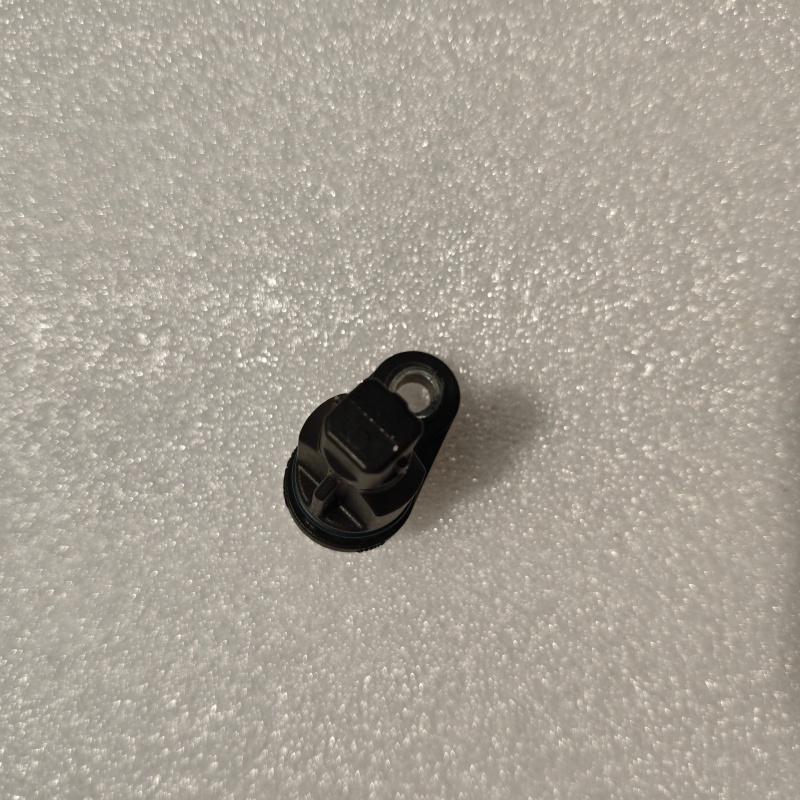
In the cabin, rubber pads are fundamental to passenger comfort. They are found insulating the dashboard mounts, sealing wiring harness pass-throughs in the firewall, and cushioning interior trim panels. This meticulous placement absorbs high-frequency vibrations from the engine and road, preventing them from translating into audible buzzes or rattles. The result is the serene, solid feel expected in today’s vehicles. Under the hood, these pads protect sensitive electronics by isolating control units from chassis vibrations and provide thermal and abrasion resistance where hoses or lines contact the body.
The application extends to the vehicle’s exterior and undercarriage. Rubber pads are used as spacers and isolators for body panels, contributing to consistent fitment and reducing wind noise. They also cushion mounting points for accessories like mud flaps and act as protective buffers between spare tires and their storage wells. From the engine bay to the trunk, every strategically positioned rubber pad works to enhance durability, reduce wear on adjacent parts, and refine the overall acoustic experience.
Therefore, when sourcing replacement parts or upgrades, considering the condition and quality of these often-overlooked components is crucial. High-grade rubber pads ensure your vehicle maintains its intended performance, quietness, and longevity, proving that true automotive refinement lies in the details.