The Air Conditioning Box Housing serves as the critical structural and protective component of a vehicle’s climate control system. Often referred to as the evaporator case or heater box, this assembly is typically constructed from high-grade, temperature-resistant plastics or composite materials. Its primary function is to securely enclose the evaporator core, heater core, blend door actuators, and associated air ducts, creating a sealed and insulated environment for efficient thermal exchange.
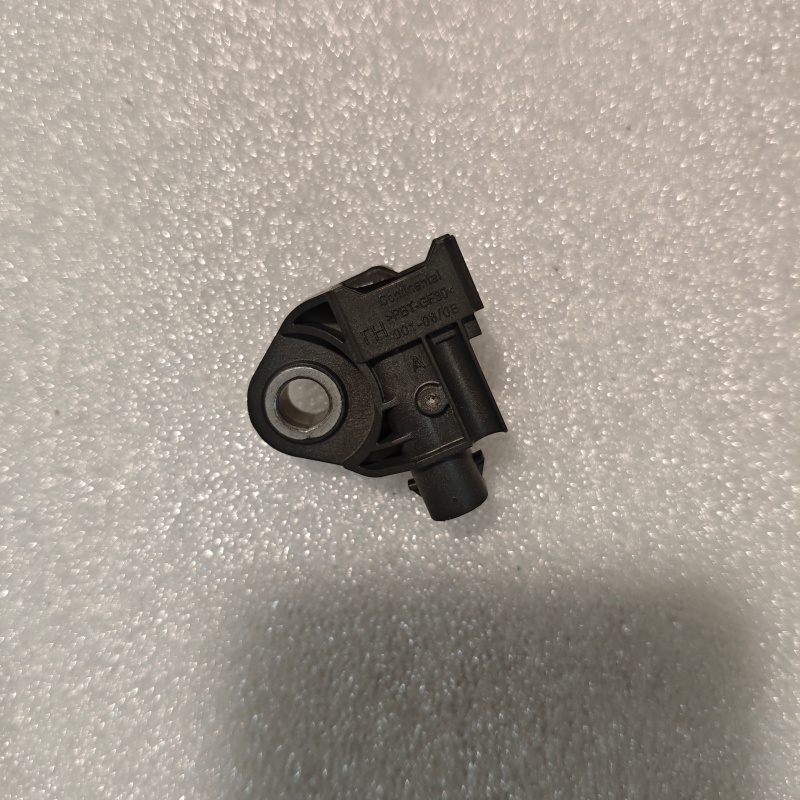
Located within the dashboard, the housing is integral to directing airflow. It ensures that air passed through the evaporator (for cooling) or heater core (for warming) is properly blended and distributed to the designated vents—defrost, floor, and panel—based on driver selections. A compromised housing, due to age, impact, or exposure to extreme temperatures, can lead to significant system failures. Common issues include air leaks, which diminish cooling or heating performance, water ingress leading to musty odors and mold growth from a clogged drain, and unwanted engine bay fumes entering the cabin.
When replacing this component, it is crucial to select an OEM-equivalent or high-quality aftermarket housing designed for specific make and model compatibility. A proper seal and correct installation are paramount to restore optimal airflow, maintain cabin air quality, and ensure the overall efficiency and reliability of the entire air conditioning and heating system. Investing in a durable Air Conditioning Box Housing protects the sensitive and costly internal components, safeguarding passenger comfort and vehicle value.