This component represents a significant evolution in engine management technology. The Intake Solenoid Valve 2.0 is a precision electromechanical device designed to regulate the flow of air or vacuum to various engine subsystems with unprecedented speed and accuracy. As a critical upgrade from previous generations, it features enhanced materials for improved thermal stability and a redesigned solenoid coil that ensures faster response times and lower power consumption.
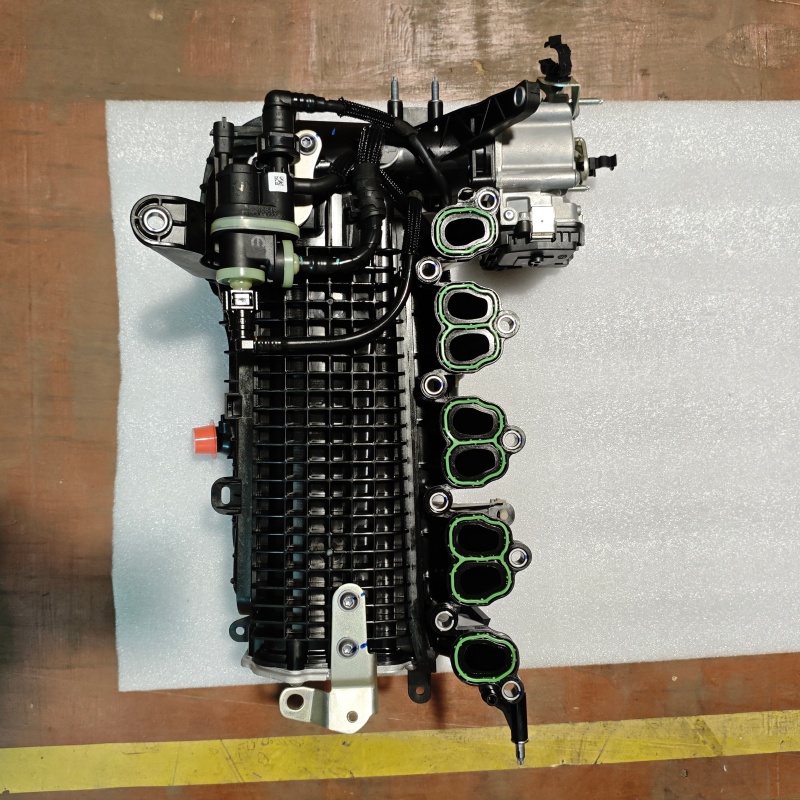
Its primary function is to act as a high-speed switch, controlled directly by the engine’s electronic control unit (ECU). Upon receiving an electrical signal, the valve opens or closes instantaneously, directing pressurized air or vacuum to components like the intake manifold runners, swirl flaps, or variable valve timing mechanisms. This direct control allows for real-time optimization of the air entering the combustion chamber, leading to more efficient fuel atomization, better throttle response, and reduced emissions across a wider range of engine speeds.
Common applications include modern turbocharged and naturally aspirated engines that utilize variable intake technology. Symptoms of a failing unit often manifest as erratic idling, a loss of low-end torque, illuminated check engine lights, and diagnostic trouble codes related to intake manifold runner control or air flow. The Intake Solenoid Valve 2.0 is engineered for durability, but like all components, it can succumb to heat cycles, electrical faults, or contamination over time.
When replacement is necessary, installing a genuine or high-quality OEM-specification Intake Solenoid Valve 2.0 is crucial. This ensures seamless communication with the vehicle’s ECU, restores factory-calibrated performance, and maintains the engine’s designed balance of power, efficiency, and emissions compliance. Proper installation typically involves simple hand tools and attention to the cleanliness of the attached hoses and electrical connectors.