Front Bar Lower Bracket
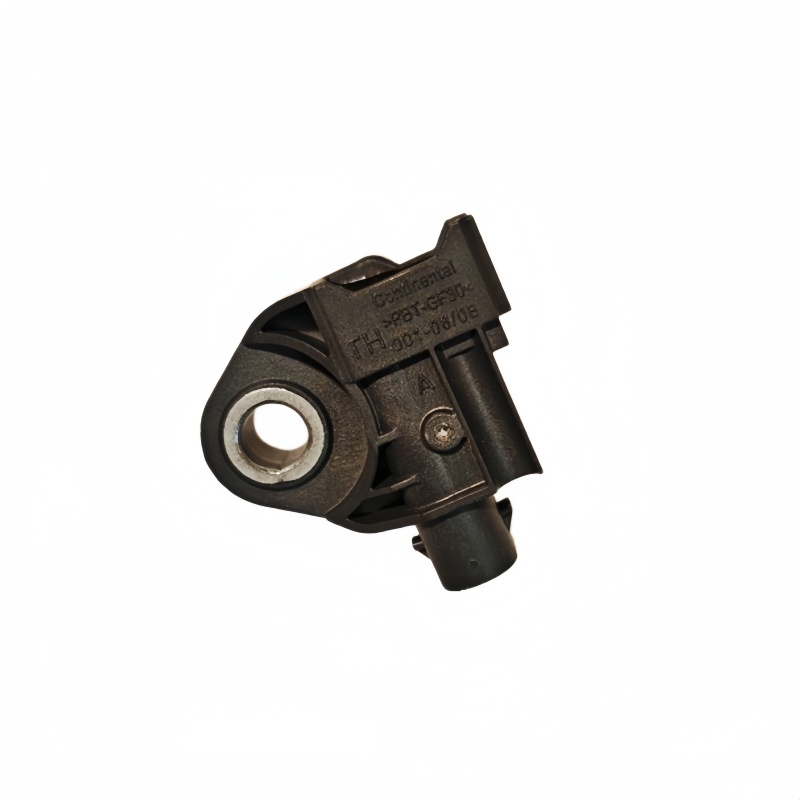
In the intricate world of automotive suspension systems, the Front Bar Lower Bracket plays a critical, though often understated, role in ensuring vehicle stability, handling, and safety. This essential component serves as the primary mounting and securing point for the front anti-roll bar (also known as a sway bar or stabilizer bar) to the vehicle’s subframe or control arms. Its primary function is to firmly anchor the bar’s connecting links or bushings, allowing the anti-roll bar to effectively perform its job.
During cornering, the anti-roll bar counteracts body roll by transferring force from the loaded side of the vehicle to the unloaded side. The Front Bar Lower Bracket is fundamental to this process, providing a rigid and stable pivot point for this torsional force. Without a precisely engineered and robust bracket, the effectiveness of the entire anti-roll system is compromised. This can lead to increased body lean, diminished handling precision, and a noticeable reduction in driver confidence, especially during dynamic maneuvers.
Constructed from high-grade steel or aluminum, these brackets are designed to withstand significant stress and repetitive load cycles. However, they are not immune to wear and tear. Exposure to road debris, moisture, and corrosive elements can lead to rust, fatigue, or physical damage over time. A compromised bracket can cause clunking noises, improper suspension geometry, and premature wear on the anti-roll bar bushings and links. Therefore, ensuring the integrity of the Front Bar Lower Bracket is vital for maintaining optimal suspension performance. When replacing an anti-roll bar or its associated components, inspecting and, if necessary, renewing the lower brackets is a recommended practice to restore like-new handling characteristics and ensure long-term reliability.