In modern forced induction systems, the path air takes after leaving the turbocharger is critical for performance. After The Intercooler Inlet Duct, the compressed and heated air enters the intercooler core itself. This component is a vital stage in the intake process, acting as a heat exchanger to dramatically lower the air temperature before it reaches the engine’s intake manifold.
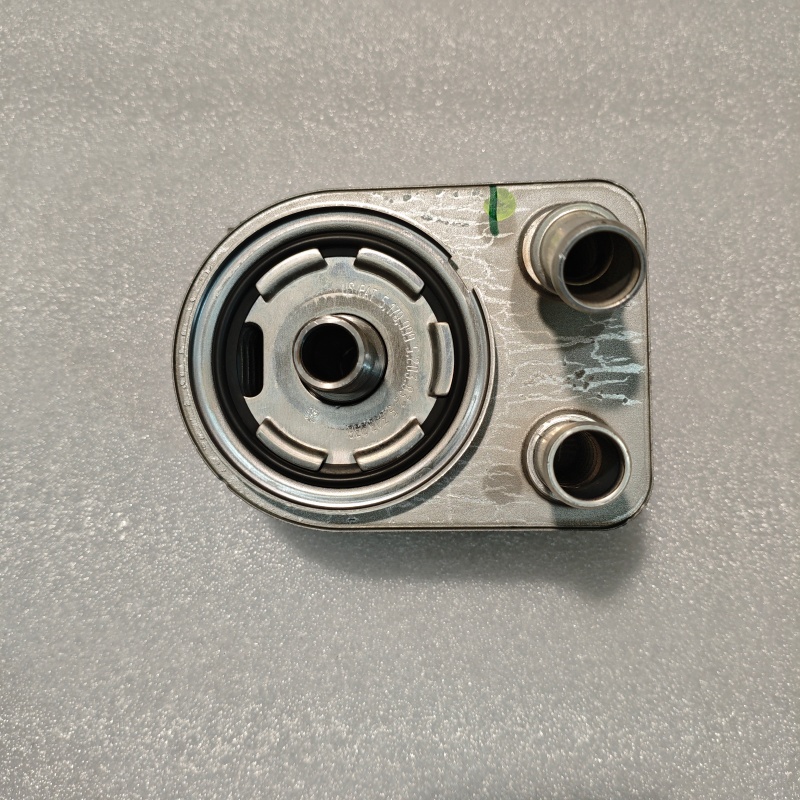
The function of the intercooler is to cool this dense, hot air. Cooling the intake charge increases its density, allowing a greater mass of oxygen to enter the combustion chamber. This process directly enables more efficient and powerful combustion, leading to significant gains in horsepower and torque while also reducing the risk of engine knock or pre-ignition. Essentially, the intercooler ensures that the turbocharger’s work translates into reliable, usable power.
The ductwork leading from the intercooler outlet to the throttle body is equally important. A well-designed, smooth, and leak-free post-intercooler duct maintains the pressure and density achieved by the intercooler. Any restrictions, sharp bends, or leaks in this section can result in pressure drop and heat soak, diminishing the efficiency gains of the entire intercooling system. Therefore, the entire assembly—from the intercooler inlet duct to the final connection at the engine—must be engineered for optimal flow and durability.
For enthusiasts seeking to upgrade, replacing factory plastic or rubber components with high-quality silicone or aluminum ducts can improve throttle response and consistency. Ensuring all connections after the intercooler inlet duct are secure with robust clamps is fundamental to maintaining boost pressure and achieving the desired performance outcomes from your turbocharged vehicle.