Crankshaft Rear Bushing
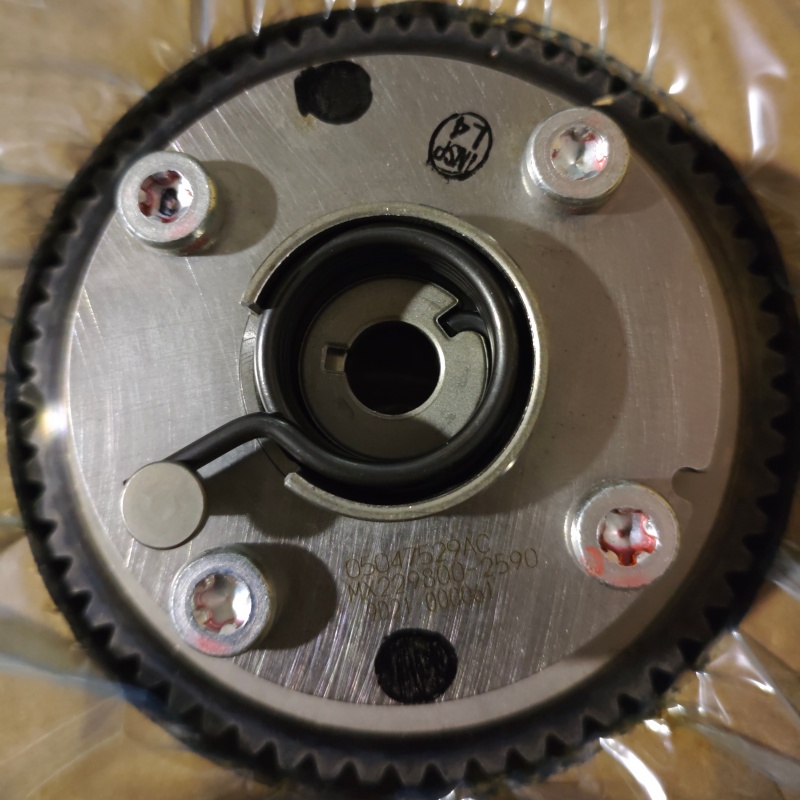
Within the intricate assembly of an internal combustion engine, numerous components work in concert to transform explosive energy into smooth rotational force. One such critical, yet often overlooked, part is the Crankshaft Rear Bushing. This precision-engineered component serves as a primary support and bearing surface for the crankshaft at the transmission end of the engine block. Its role is fundamental to engine integrity, longevity, and performance.
The crankshaft rear bushing, typically a cylindrical sleeve made from durable bimetal or aluminum alloy with a specialized bearing surface, is press-fitted into the engine block or rear end cap. It securely locates the crankshaft, allowing it to rotate with minimal friction while withstanding significant radial loads and forces generated by piston movement. More than just a simple bearing, it also plays a crucial role in maintaining precise crankshaft alignment, which is essential for proper engine balance and the prevention of harmful vibrations that can damage other components.
Over time and with extensive use, this bushing is subject to wear and tear. Factors like contamination from degraded oil, insufficient lubrication, or extreme operating conditions can lead to premature wear, scoring, or even seizure. A failing crankshaft rear bushing often manifests through symptoms such as excessive engine vibration, unusual knocking sounds from the rear of the engine, oil leaks from the rear main seal area (due to compromised crankshaft alignment), or visible metal particles in the engine oil.
Replacement of a worn crankshaft rear bushing is a precise machining operation, requiring specialized tools to ensure perfect alignment and press-fit tolerance. For any engine rebuild or major repair addressing rear crankshaft seal failures, inspecting or replacing this bushing is considered a vital best practice. Installing a high-quality, OEM-specification crankshaft rear bushing restores critical clearances, ensures optimal oil seal performance, and safeguards the engine’s rotating assembly for reliable, long-term operation.