Body Stability Control Module
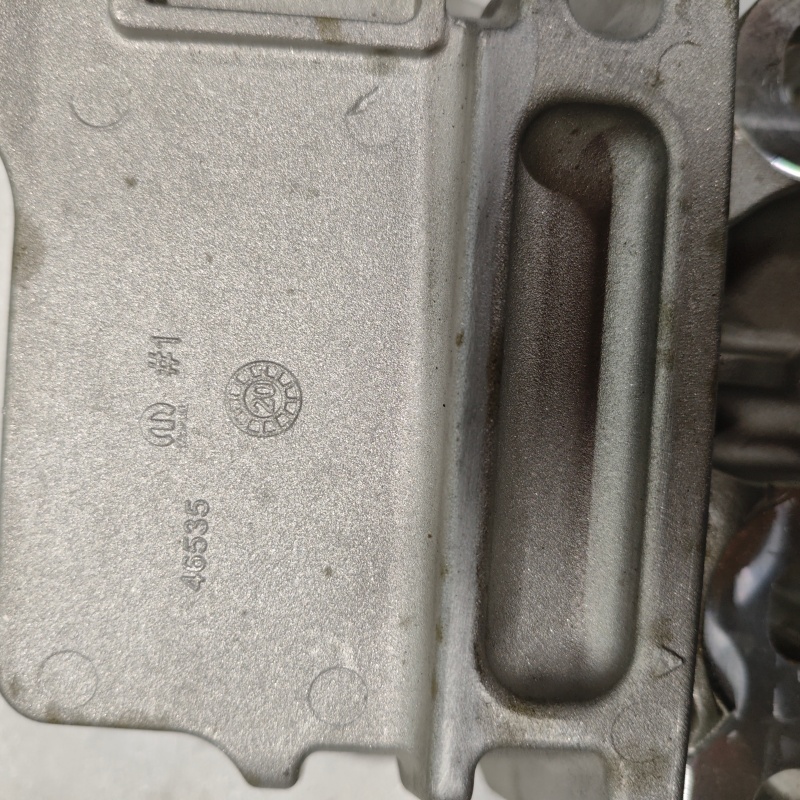
In modern vehicle safety systems, the Body Stability Control Module stands as a critical electronic guardian, actively working to prevent loss of control during demanding driving situations. This sophisticated computer unit is the central brain of the Electronic Stability Control (ESC) system. It continuously monitors data from a network of sensors, including wheel speed sensors, a steering angle sensor, and a yaw rate sensor. By comparing the driver’s intended direction (via steering input) with the vehicle’s actual response, the module can detect the onset of skids, understeer, or oversteer in real-time.
When a discrepancy is identified that suggests instability, the Body Stability Control Module intervenes automatically and instantaneously. It does so by strategically applying braking force to individual wheels and, in many systems, by requesting reduced engine torque from the powertrain control module. For example, if the system detects the car’s rear end beginning to slide out in a corner (oversteer), it may apply brake pressure to the outer front wheel to help counter the spin and bring the vehicle back onto the intended path. This corrective action often occurs before the average driver can even react.
The integration of this module is fundamental for enhancing traction, maintaining directional stability, and significantly reducing the risk of accidents, particularly on slippery roads or during emergency avoidance maneuvers. For any vehicle equipped with ESC, a fully functional Body Stability Control Module is essential. It represents a core safety component that operates seamlessly in the background, providing drivers with an invaluable layer of confidence and protection with every journey.